
New construction · Northern Virginia
New-Build Design Center: What’s Worth Upgrading (and What to Skip)
At the builder’s design center, spend on what is hard or expensive to change later: structural options, rough-in plumbing and electrical, wiring, and anything inside the walls. Skip cosmetic upgrades you can do better and cheaper after closing, such as light fixtures, faucets, paint, and basic flooring. Upgrade the bones, not the finishes.
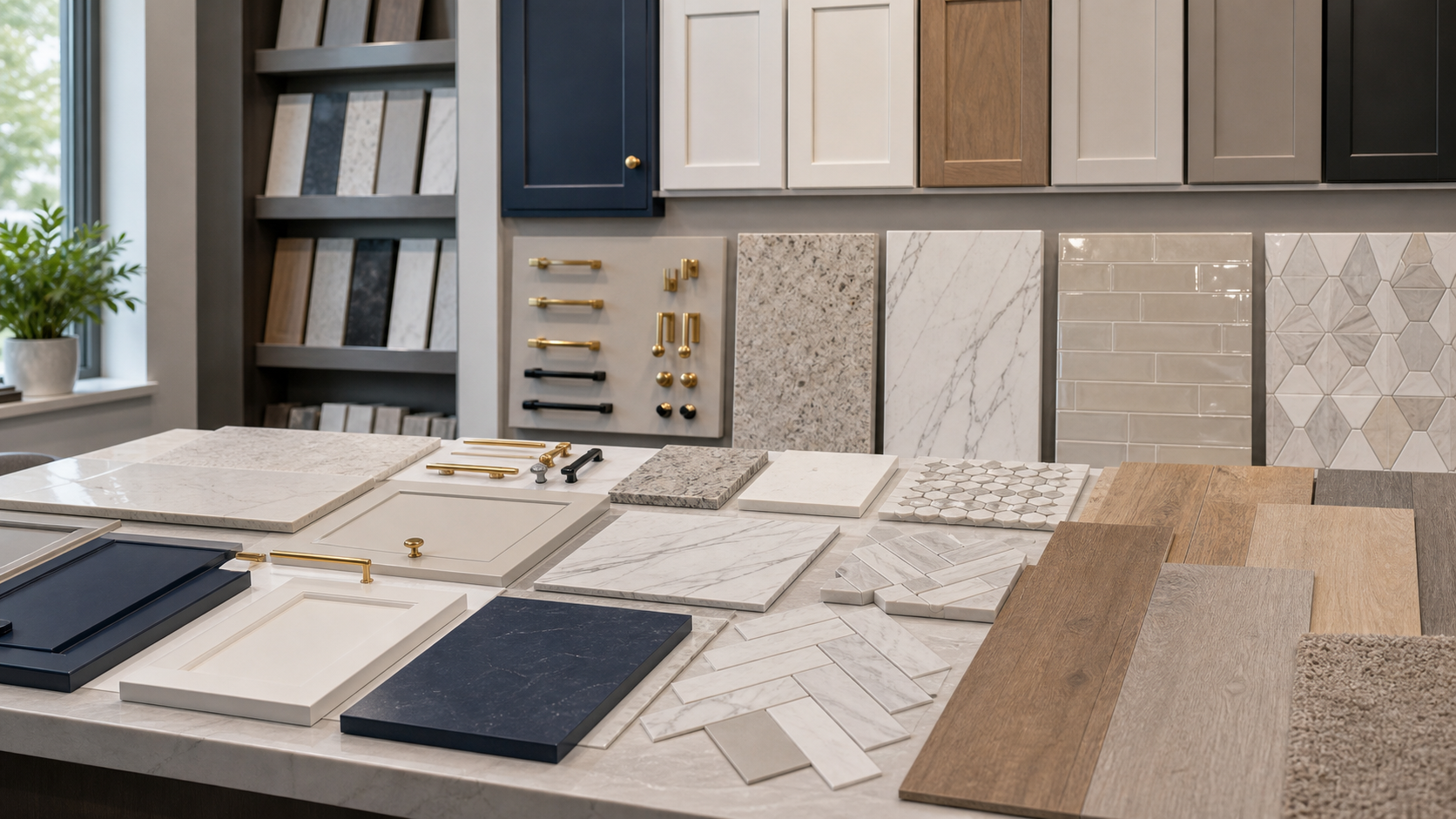
The design-center appointment is where new-build budgets quietly explode. You sit down for a few hours, the upgrades all sound reasonable, and you walk out having added a startling amount, often on the wrong things. The fix is a single rule you can carry into the room: spend on the bones, skip the finishes. Here is how to apply it.
What’s worth upgrading?
Upgrade the things you cannot easily change later: structural options like extra windows or higher ceilings, plumbing rough-ins for a future sink or pot filler, extra electrical and data wiring, recessed lighting cans, and any framing change. These are buried behind drywall, so the builder’s appointment is the only practical moment to get them right.
The worth-it list, in plain terms:
- Structural and framing. Extra windows, ceiling height, a bumped-out room, an extra rough opening.
- Plumbing rough-ins. A future wet bar, pot filler, basement bath, or a relocated sink.
- Electrical and low-voltage. Extra circuits, outlets where furniture will go, data and network wiring, recessed cans.
- Insulation and sound. Spray foam, sound batting between bedrooms or around a media room.
- Anything inside a wall. If changing it later means cutting drywall, do it now.
What should you skip?
Skip cosmetic upgrades you can replace easily after closing: light fixtures, faucets, mirrors, cabinet hardware, builder paint, and basic carpet or flooring. These carry the highest design-center markups and the most generic look. You will get better quality for similar money by sourcing them yourself or through a designer after move-in.
Builder lighting and plumbing fixtures are the clearest example. The catalog upgrade is usually a modest step up from builder-grade at a premium price, when the same money spent later buys a genuinely beautiful fixture. Paint is another easy skip: you can repaint any room in a weekend for a fraction of the per-room upgrade fee. The trap is that these cosmetic items are the fun ones to choose, so they are exactly where people overspend.
The “structural first” rule
Sort every upgrade by one question: does changing it later mean opening a wall? If yes, it belongs at the design center, where it is a line item instead of a renovation. If no, defer it. This single test handles most decisions and keeps your upgrade budget on the things that are genuinely once-only.
Run the whole catalog through that filter and the list shrinks fast. A pot-filler rough-in: open-the-wall, take it now. A pendant light over the island: not structural, do it later and do it better. Hardwood on the stairs you would otherwise have to rip out carpet to add: arguably worth it. A fancier kitchen faucet: skip, every time. The rule is boring, and that is the point. It keeps you from being talked into the pretty upgrades that erode the budget you will want for finishes that show.
How not to blow your budget
Set an upgrade budget before the appointment and split it: most toward structural and behind-the-wall items, a smaller reserve for a few high-impact finishes. Bring a written priority list, decline anything cosmetic you can do later, and do not decide under time pressure. Design centers are built to encourage fast yeses, so a pre-set plan is your defense.
The appointments are deliberately paced to nudge quick decisions, and decision fatigue is real after the third hour. The homeowners who stay on budget are the ones who walked in with a plan and the discipline to say “no, we’ll do that after closing.” If that sounds daunting, it is exactly the moment a designer earns their fee, which is why we suggest sorting out when to hire a designer for new construction before this appointment, not after.
Where a designer saves you the most
A designer’s biggest design-center value is triage: telling you exactly which upgrades to take through the builder and which to decline, then delivering better versions of the skipped items through trade sources. They also catch the non-obvious rough-ins, like an outlet for a future island or wiring for sconces, that you would only miss once the walls are closed.
That triage is worth more than it sounds. Decline the wrong upgrade and you are cutting drywall in two years; take the wrong one and you have overpaid for a builder-grade fixture. A designer who knows the catalog and your plan resolves both. This pairs directly with the bigger decision of builder options versus your own designer, where the same logic plays out across the whole project.
Design center coming up?
Walk in with a plan, not a catalog. Shea Studio Interiors will tell you exactly what to upgrade and what to skip for your NoVA build, so the budget lands where it counts.
Frequently asked questions
What upgrades are worth it in a new construction home?
Structural and behind-the-wall items: extra windows, higher ceilings, plumbing rough-ins, extra electrical and data wiring, and recessed lighting. These are expensive or impossible to add after closing, so the design-center appointment is the right time to pay for them.
What design center upgrades are a waste of money?
Cosmetic items you can swap later: light fixtures, faucets, mirrors, cabinet hardware, builder paint, and basic flooring. They carry the highest markups and the most generic look, and you will get better quality for similar money sourcing them yourself after move-in.
Should I upgrade flooring through the builder?
Sometimes. Upgrading flooring you would otherwise have to tear out to replace, like hardwood on stairs, can be worth it for convenience. But for standard rooms, replacing builder carpet or basic flooring after closing is often cheaper and gives you far more choice.
Are builder lighting upgrades worth it?
The recessed-can and wiring layout, yes, because that is rough-in work. The decorative fixtures themselves, usually no. Take the electrical plan through the builder, then choose and install your actual pendants, chandeliers, and sconces afterward for better quality and selection.
How much should I budget for design center upgrades?
Set a number before you go and weight it toward structural and behind-the-wall items, with a small reserve for one or two high-impact finishes. The exact figure depends on your build, but the split matters more than the total: bones first, cosmetics later.
or call 703-891-1570