You work from home three days a week. Your “office” is the dining room table, where you juggle video calls while your laptop charger snakes across the floor and papers pile up beside the fruit bowl. Or maybe you’ve claimed a spare bedroom, but it’s really just a bed with a desk shoved in the corner, surrounded by storage boxes you haven’t unpacked in three years.
Here’s what most high-income professionals don’t realize: that makeshift workspace is costing you money twice. First, you’re losing thousands in legitimate tax deductions because your space doesn’t meet IRS requirements. Second, your productivity and professional presence suffer daily in an environment that wasn’t designed for serious work.
Luxury home office design for Northern Virginia professionals combines IRS-compliant planning with executive-level aesthetics and functionality. After 30+ years designing homes throughout Fairfax, McLean, and Arlington, June Shea understands exactly how to create offices that satisfy both your accountant and your need for a workspace that actually supports high-level professional performance. The intersection of tax strategy and interior design isn’t something most designers understand, but it represents an enormous opportunity for professionals earning $150,000 or more annually.
The Tax Deduction Opportunity You’re Missing
Most high-income professionals leave thousands of dollars on the table every year because they don’t understand home office deductions or assume they don’t qualify.
The IRS allows home office deductions when space is used regularly and exclusively for business. That second word is critical. Exclusively means the space serves no other purpose. A guest room with a desk doesn’t qualify. A dining room where you work during the day but eat dinner at night doesn’t qualify. A proper dedicated office does qualify.
For W2 employees, the rules changed with 2018 tax reform. You can no longer deduct home office expenses as an itemized deduction on Schedule A. However, if you’re self-employed, an independent contractor, or have a side business, home office deductions remain powerful tax tools.
For self-employed professionals, the deduction covers a proportional share of mortgage interest or rent, property taxes, utilities, insurance, repairs, and depreciation. The calculation uses either the simplified method at $5 per square foot up to 300 square feet maximum, or the regular method based on the percentage of home used for business.
Let’s look at real numbers for a Northern Virginia professional. Assume you’re self-employed earning $200,000 annually, living in a 3,000 square foot home worth $800,000, and converting a 200 square foot room into a proper office. That’s 6.7% of your home’s square footage.
Your annual home expenses might include: $30,000 in mortgage interest, $12,000 in property taxes, $4,500 in utilities, $2,000 in homeowner’s insurance, $3,000 in repairs and maintenance, and $8,000 in depreciation based on the home’s structure value. Total annual home expenses: $59,500.
Your home office deduction at 6.7%: approximately $3,987 annually. At a 35% effective tax rate, that’s $1,395 in actual tax savings every year. Over ten years? Nearly $14,000 in savings. That more than covers a professional office renovation.
But here’s where most people fail: their “office” doesn’t actually meet IRS requirements. The space isn’t exclusively used for business. It lacks proper definition. They can’t prove business use. Professional interior design that specifically addresses these requirements transforms a questionable deduction into a defensible one.
What Makes a Home Office IRS-Compliant
Creating tax-deductible home office space requires understanding specific IRS criteria and designing accordingly.
The exclusive use test demands the space is used only for business. This doesn’t mean you can never enter the room for personal reasons, but the space itself must be dedicated to business activity. A defined office with a door that closes provides clear boundaries. Open areas within living spaces become harder to defend.
The regular use test requires consistent business utilization. Occasional use doesn’t qualify. If you work from home three days per week, your office needs to be your workspace those three days, not sometimes the office and sometimes the guest room and sometimes the craft room.
The principal place of business test for most people means this is where you conduct substantial administrative or management activities, even if you meet clients elsewhere. For consultants, independent contractors, and business owners who travel for work but do administrative tasks at home, the home office qualifies.
Physical separation strengthens your case. A defined room with walls and a door is best. Built in storage, custom desks, and purpose-specific design all demonstrate business dedication. Shared spaces or office “zones” within rooms create audit risk.
Documentation matters enormously. Photographs showing the space’s business nature, records of business activities conducted there, and professional design plans all support your deduction. June’s detailed office designs with specific business functionality provide documentation that survives scrutiny.
One McLean attorney initially planned to deduct a corner of his living room as office space. His accountant warned that open plan “offices” face higher audit risk and often fail IRS challenges. June designed a proper 180 square foot office with French doors, custom built ins, and clear business purpose. The defined space qualified for deduction, saving approximately $1,200 annually in taxes while providing vastly better working conditions.
Designing Executive-Level Home Offices
Tax compliance is necessary but not sufficient. Your office also needs to support high-level professional performance.
Proper space allocation begins with understanding your actual work patterns. Most professionals need space for focused computer work, video conferencing with professional backgrounds, physical file storage, book or reference material, and sometimes meeting space for one or two people.
The minimum functional office size is approximately 120 square feet, roughly 10 by 12 feet. This allows a proper desk, storage, and seating without feeling cramped. Ideal sizes range from 150 to 250 square feet, providing room for all functions comfortably. Anything larger risks feeling like wasted space unless you regularly host client meetings.
Desk selection and placement impacts daily function enormously. Many people position desks facing walls, which feels confining. Better options include desks positioned to face the room with windows to the side for natural light without glare. L-shaped or U-shaped configurations provide more work surface. Standing desk options or adjustable height desks support health for people spending 40+ hours weekly in the space.
Built-in storage maximizes space efficiency while looking sophisticated. Floor to ceiling shelving for books and reference materials, closed cabinetry for files and supplies, and display areas for credentials or meaningful objects all contribute. Custom built ins cost more than freestanding furniture but deliver better function and stronger professional appearance.
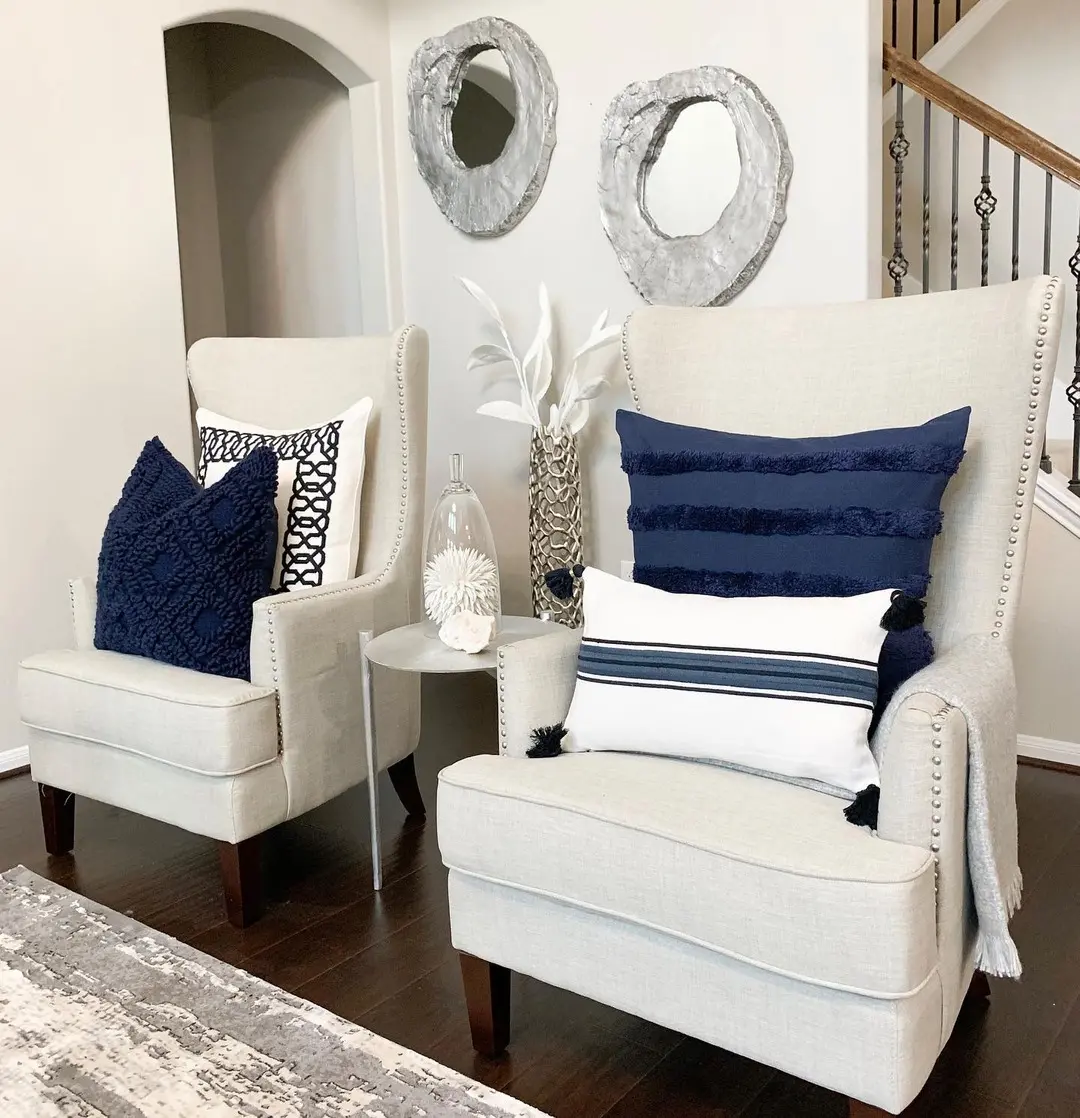
Seating beyond your desk chair matters if you take calls or read documents away from the computer. A quality side chair or small sofa provides options for variety throughout the day. This isn’t decorative. It’s functional space for different work modes.
The Lorton Luxury home office featured a custom walnut L-shaped desk with built in wire management, floor to ceiling bookshelves in matching walnut, and a leather reading chair positioned near the window. The space conveyed professional success while functioning perfectly for a consultant who spent 50+ hours weekly in the space.
Technology Infrastructure for Modern Work
Home offices in 2026 require robust technology infrastructure that many homes lack.
Internet connectivity represents the foundation. Hardwired ethernet connections provide more reliable, faster speeds than wifi for video conferencing and large file transfers. If your office is far from the router, plan for ethernet runs during construction. Quality wifi mesh systems provide backup but shouldn’t be your primary connection for serious work.
Electrical planning prevents the extension cord chaos most home offices suffer. Include outlets every four feet along walls, USB charging ports built into desks or walls, dedicated circuits for high-draw equipment, and floor outlets for desk placement flexibility. The investment is modest during renovation but expensive to add later.
Proper lighting matters more than most people realize. Overhead ambient lighting provides general illumination. Task lighting at the desk ensures adequate light for detailed work. Natural light improves mood and reduces eye strain but needs control for glare prevention. Dimming capability allows adjustment throughout the day.
Video conferencing backgrounds deserve specific attention. The wall behind your desk becomes your professional backdrop in every video call. Consider this when selecting wall colors, art, and built in elements. Avoid windows directly behind you, which create backlighting that makes you appear as a silhouette. Side windows or windows you face work better.
Cable management prevents visual chaos. Built in wire channels, grommets in desks, and concealed power strips all keep technology functional but not visually dominant. Executive offices shouldn’t show tangled cables.
Sound control becomes critical if other family members are home during work hours. Solid core doors, insulation in office walls, and sound-absorbing materials like fabric panels or acoustic ceiling tiles all reduce noise transmission. White noise machines or sound systems mask remaining sounds.
Understanding smart home technology integration helps create offices that work seamlessly while appearing uncluttered.
The Psychology of Professional Space at Home
Working from home requires psychological boundaries that physical design can support or undermine.
Separation between work and home life becomes harder when both occur in the same building. A defined office with a door provides critical psychological boundaries. When you’re in the office with the door closed, you’re working. When you leave and close the door, you’re home. Without this physical separation, many professionals report they never feel fully off.
Professional credibility on video calls depends partly on your background. A well-designed office signals competence and success. A cluttered spare bedroom or visible laundry basket signals something else entirely. Every video call is a professional presentation, and your backdrop matters.
Productivity correlates with environment quality. Comfortable seating, proper lighting, organized storage, and aesthetically pleasing surroundings all contribute to focus and output. The difference between a makeshift desk in the guest room and a proper executive office shows up in your work quality and volume.
Privacy for confidential work matters in many professions. Attorneys handling client matters, financial advisors discussing accounts, executives in strategy calls all need assurance that conversations remain private. A door that locks provides this assurance. Open plan spaces don’t.
Status and self-perception influence performance. A beautiful, well-appointed office reminds you that your work is important and worthy of proper space. This psychological element matters more than many people admit. The space reinforces professional identity.
One Fairfax executive initially resisted investing in proper office design, viewing it as an unnecessary expense. After June created a sophisticated, highly functional space, she reported not just better work output but renewed enthusiasm for her business. The physical space changed how she viewed her own work.
Material Selection for Sophisticated Professional Spaces
Executive home offices require material choices that convey success while remaining practical.
Wood elements bring warmth and sophistication. Walnut, cherry, and oak all convey traditional executive aesthetic. Modern offices might use lighter woods like white oak or maple. Quality matters. Solid wood or premium veneers look and age better than laminate. Built in cabinetry in matching wood creates cohesive, custom appearance.
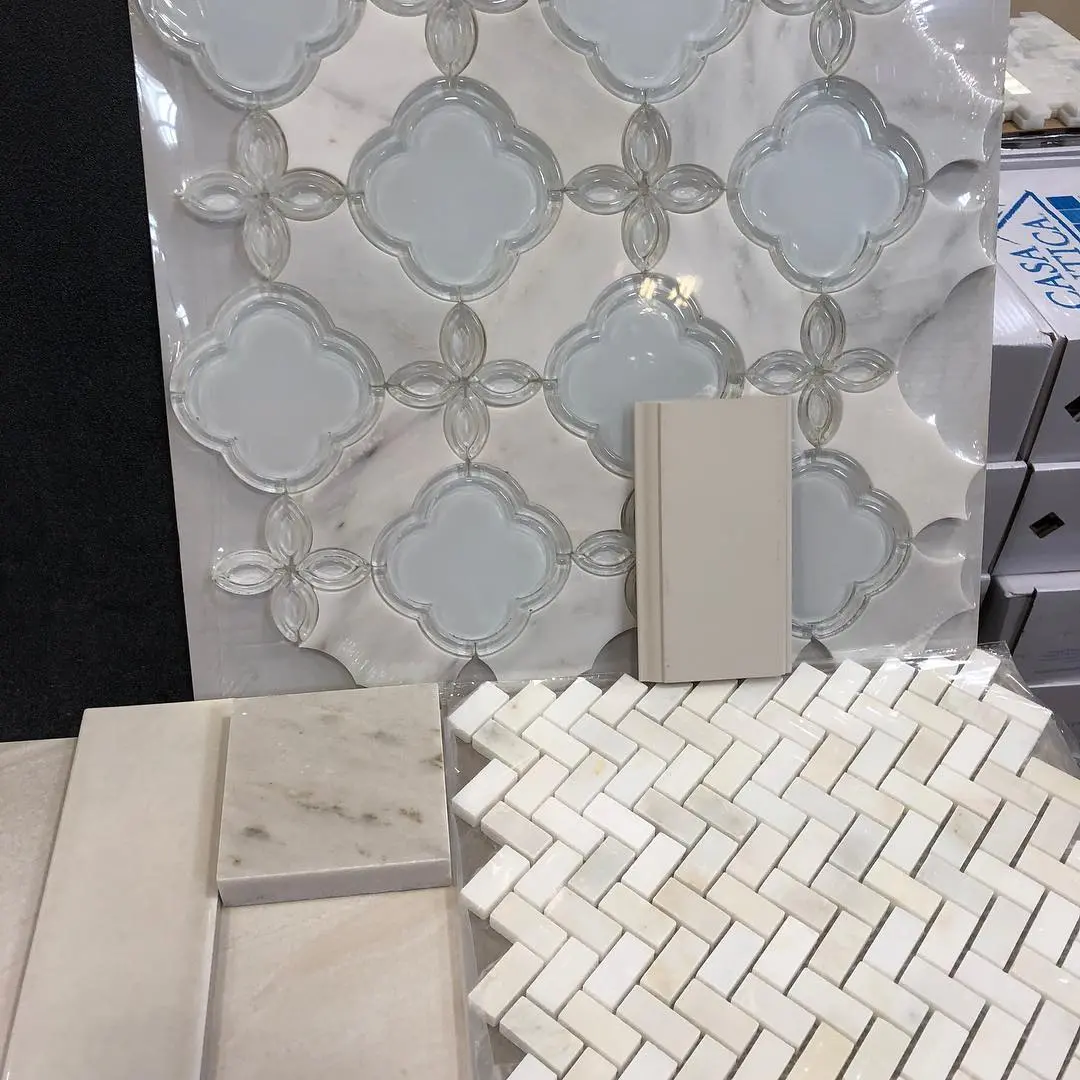
Stone or quartz surfaces for desktops provide durability and luxury feel. Marble looks beautiful but stains easily. Quartz offers similar aesthetics with better practicality. Leather desk surfaces or desk pads add traditional executive touch.
Flooring choices balance aesthetics with acoustics. Hardwood looks sophisticated but can be noisy. Adding area rugs reduces sound. Luxury vinyl plank provides wood appearance with softer feel underfoot. Carpet offers best acoustic properties but feels less executive.
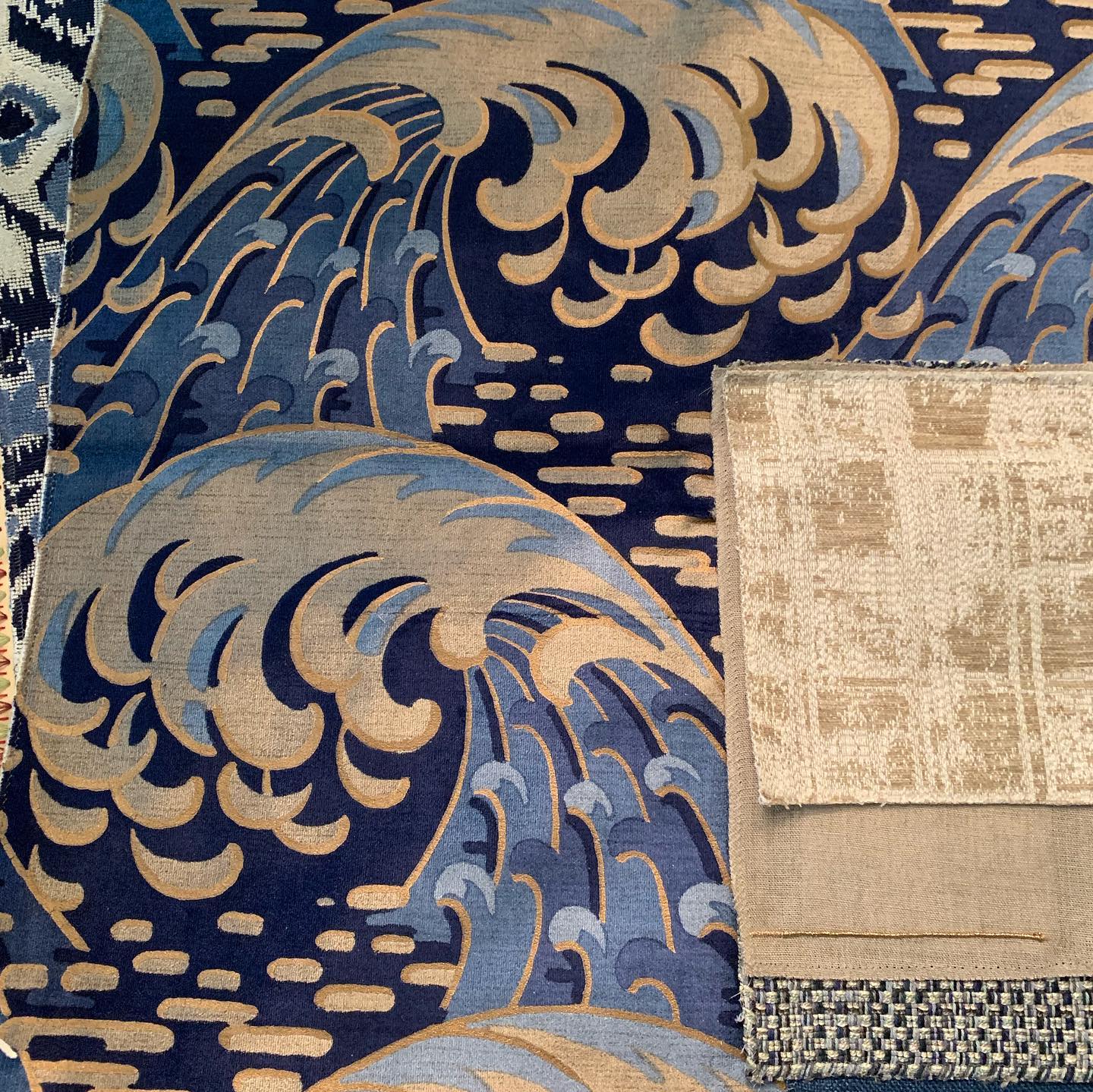
Wall treatments set the tone. Paint in sophisticated colors like deep navy, forest green, or rich gray creates gravitas. Wood paneling or board and batten adds architectural interest. Wallcovering in subtle patterns can add texture without overwhelming. Avoid anything too bold or trendy that might age poorly or seem unprofessional on video calls.
Window treatments provide light control and privacy. Layered treatments with sheers for light filtering plus blackout or room darkening options for glare control work well. Motorized options add convenience and clean lines.
Understanding current color trends helps create offices that feel current without being dated in three years.
Storage Solutions for Different Professional Needs
Different professions require different storage approaches in home offices.
Attorneys, consultants, and financial advisors often need extensive file storage despite increasing digitization. Lateral files integrate better into custom built ins than traditional vertical files. Locking storage for confidential documents becomes essential. Plan for more physical storage than you think you need, as paper persists even in digital age.
Creative professionals need storage for supplies, samples, and project materials. Open shelving displays inspiration. Flat files store large format materials. Dedicated supply storage keeps tools organized. The key is making storage accessible without cluttering the visual space.
Executives and managers need less paper storage but benefit from display space for credentials, awards, and meaningful objects that reinforce credibility on video calls. Books, even if not regularly referenced, convey knowledge and expertise. Thoughtful display rather than cluttered shelves makes the difference.
Technology professionals might need equipment storage for hardware, cables, and tech supplies. Closed cabinetry keeps these functional items accessible but not visible. Ventilated cabinets allow equipment to cool properly.
All professionals benefit from a place for personal items like bags, coats, and coffee cups. A small closet or cabinet dedicated to these items prevents them from cluttering the workspace.
Lighting Design for All-Day Productivity
Office lighting dramatically impacts productivity, eye strain, and video call appearance.
Natural light provides the best quality but needs management. Position desks to take advantage of windows without creating glare on screens. South and west facing windows require window treatments for afternoon sun control. North facing windows provide consistent, soft light throughout the day.
Overhead ambient lighting establishes base illumination. Recessed lighting on dimmers allows adjustment. Some designers incorporate cove lighting or indirect sources for softer ambient light that reduces eye strain.
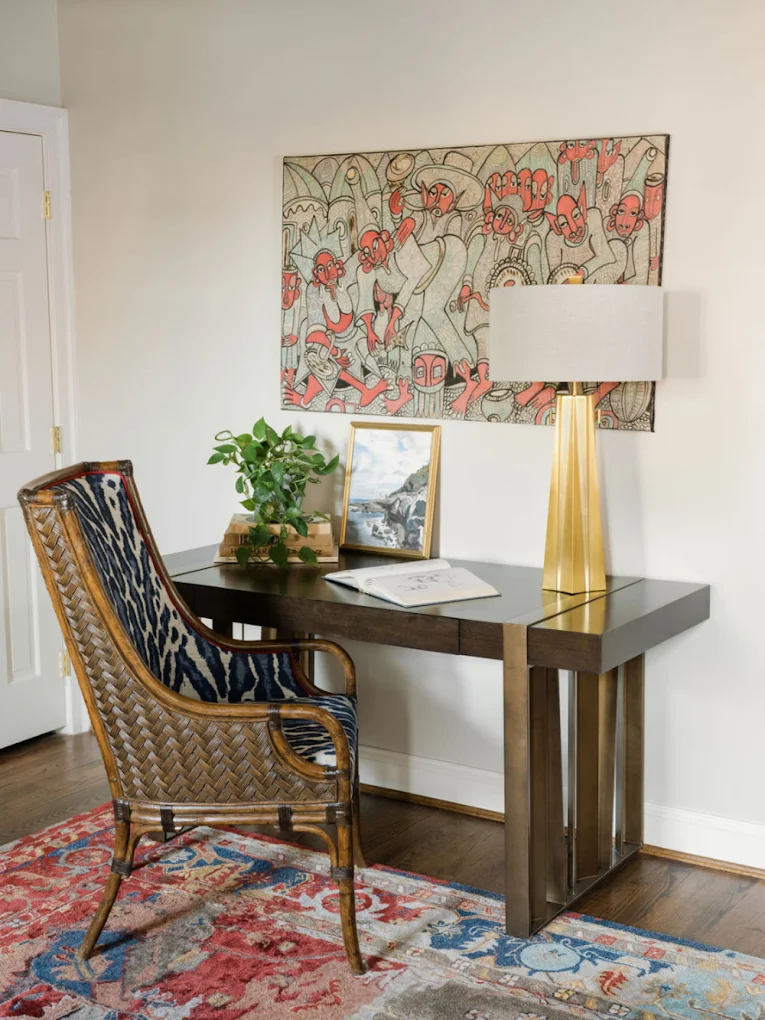
Task lighting at the desk ensures adequate light for reading and detailed work. Adjustable desk lamps allow positioning for specific tasks. Choose LED bulbs rated for offices, typically 4000K to 5000K color temperature for bright, clear light.
Accent lighting highlights architectural features, art, or built ins visible on video calls. This adds depth and visual interest to the space and your video background.
Video conferencing lighting deserves special attention. Front facing light sources prevent shadows and provide flattering illumination. Some professionals add LED panels specifically for video calls, positioned above or beside monitors to provide even facial lighting.
Color temperature consistency matters. Mixing warm (2700K) and cool (5000K) light sources creates visual discord. Choose a color temperature range and stick with it throughout the space.
Converting Existing Spaces: Making What You Have Work
Not everyone can add square footage. Converting existing space requires strategic choices.
Spare bedrooms represent the most common conversion opportunity. Remove bedroom furniture and functions entirely. This isn’t a guest room with a desk. It’s an office. Period. The exclusive use requirement demands complete conversion.
Basement spaces work well if they have adequate natural light, ceiling height, and climate control. Finished basements often lack sufficient lighting and ventilation for all-day office use. Address these functional issues before worrying about aesthetics.
Attic conversions create private, separated offices if ceiling height is adequate. Dormers or skylights add natural light. Proper HVAC becomes critical as attics are often poorly climate controlled.
Garage conversions provide excellent office space with the bonus of separate entries, useful for professionals who occasionally meet clients at home. The separate entry also reinforces the business nature of the space for tax purposes.
One Arlington consultant converted a detached garage into a stunning office with separate entrance, full bathroom, and kitchenette. The $68,000 investment created legitimate business space clearly separated from the residence, providing maximum tax benefits plus exceptional work environment.
The ROI Calculation: What Professional Office Design Actually Costs and Saves
Understanding the full financial picture helps justify investment in proper home office design.
Basic office conversions transforming spare bedrooms into functional offices typically cost $8,000 to $20,000. This includes fresh paint, new flooring, built in desks and shelving, proper lighting, and electrical updates. Most professionals can complete these renovations in two to four weeks.
Mid-range renovations with custom cabinetry, upgraded finishes, and architectural changes run $20,000 to $45,000. This level includes custom built ins designed specifically for your work needs, high-quality materials, sophisticated lighting design, and sometimes structural modifications like adding windows or improving climate control.
High-end executive offices with premium materials, extensive custom millwork, and luxury finishes range from $45,000 to $100,000 or more. These spaces rival corporate executive offices in quality and function.
The tax deduction savings depend on your specific situation but typically range from $1,000 to $5,000 annually for professional home offices. Over ten years, that’s $10,000 to $50,000 in tax savings.
Productivity gains are harder to quantify but real. If better office design increases your billable hours by just two hours per week at $200 per hour, that’s $20,800 in additional annual revenue. Or if it allows you to take on one additional project per quarter worth $10,000, that’s $40,000 annually.
Professional credibility impacts business development. Every video call, every virtual presentation occurs against your office backdrop. A sophisticated office enhances professional image while a cluttered spare bedroom undermines it. The business opportunities this influences are impossible to calculate precisely but undeniably real.
Quality of life improvements have value even if not strictly financial. Working in a beautiful, functional space rather than a makeshift corner improves daily satisfaction. This matters for sustainability in remote or hybrid work arrangements.
Common Mistakes That Cost Money and Opportunities
After three decades designing home offices, June sees repeated mistakes that undermine both tax benefits and functionality.
Attempting to maintain dual use spaces fails both practically and legally. A guest room with a desk isn’t a deductible office. A dining room where you work during the day doesn’t qualify. The exclusive use requirement means exclusive. Trying to have it both ways costs you the deduction while compromising function for both purposes.
Undersizing office space creates constant frustration. A 8 by 10 foot room might technically be an office but doesn’t provide adequate space for professional work. Allow enough room for proper desk, storage, seating, and circulation. Cramped offices reduce productivity and increase stress.
Ignoring video call backgrounds is a missed opportunity. Most video calls in 2026 occur from home offices. Your background in every call communicates professionalism or undermines it. Thoughtful design of the wall behind your desk pays dividends in every virtual interaction.
Inadequate storage planning creates clutter that makes offices feel unprofessional and stressful. Plan for more storage than you currently need. Paper, supplies, and equipment accumulate. Built in storage solutions maintain the sophisticated appearance that freestanding filing cabinets destroy.
Poor lighting causes eye strain, headaches, and terrible video call appearance. Overhead lighting alone isn’t sufficient. Layer ambient, task, and accent lighting for function and aesthetics.
Skipping professional design advice leads to spaces that look amateur or fail to qualify for deductions. The cost of professional interior design services often pays for itself through better tax positioning alone, without considering the functional and aesthetic improvements.
Your Move: Creating Your Tax-Advantaged Executive Office
February represents perfect timing for home office projects. Tax season reminds you of deductions you’re missing. Work from home arrangements are settled for the year. You have clear understanding of your actual needs. Completing renovations in February or March means you enjoy benefits for most of the tax year.
Whether you live in Fairfax, McLean, Arlington, Alexandria, or Great Falls, Shea Studio Interiors can help you create offices that satisfy both IRS requirements and executive-level standards.
June Shea’s 30+ years of experience includes countless home offices for attorneys, consultants, executives, and entrepreneurs. She understands both the design elements that create sophisticated professional spaces and the requirements that ensure tax compliance.
The question isn’t whether you deserve a proper office instead of working at the dining table. The question is: how much are you losing annually in tax deductions, productivity, and professional credibility by not having one?