You spend 90% of your life indoors, yet your biology evolved over millions of years to thrive in natural environments. The disconnect shows up in ways you might not connect to your surroundings: chronic stress that won’t resolve, difficulty concentrating during work hours, poor sleep despite adequate time in bed, general malaise that no amount of coffee fixes.
Meanwhile, the solution might be simpler than you think. Research consistently shows that humans who maintain regular connection to nature experience lower blood pressure, reduced stress hormones, improved immune function, better cognitive performance, and enhanced mood. The problem? Most of us can’t spend eight hours daily hiking through forests or sitting by streams.
Biophilic design for Northern Virginia homes brings nature’s benefits indoors through intentional design choices that reconnect us with the natural world. After 30+ years designing homes throughout Fairfax, Arlington, and Alexandria, June Shea has watched biophilic principles transform from fringe concept to essential element of wellness-focused design. As we transition from winter into spring 2026, there’s no better time to reimagine your home’s relationship with nature, creating spaces that actively support health and wellbeing rather than merely looking beautiful.
Understanding Biophilic Design: More Than Just Adding Plants
Biophilic design represents a comprehensive approach to connecting built environments with natural systems, not simply decorating with greenery.
The term “biophilia” literally means love of life or living systems. Biologist E.O. Wilson popularized the concept, suggesting humans possess innate tendencies to seek connections with nature and other life forms. This isn’t preference or taste. It’s biological imperative shaped by evolutionary history.
For millions of years, human survival depended on reading natural environments. Proximity to water sources, understanding plant cycles, recognizing weather patterns, all directly impacted whether you lived or died. This evolutionary history means your brain still responds powerfully to natural elements even though survival no longer depends on them.
Modern life has largely severed these connections. We work in sealed buildings with artificial light and climate control. We travel in enclosed vehicles. We live in homes designed to separate us from outdoor conditions. The result is what researchers call “nature deficit disorder,” a term describing the psychological and physical costs of disconnection from nature.
Biophilic design intentionally reconnects built environments with nature through specific, evidence-based strategies. This goes far beyond adding houseplants or nature photography. It encompasses natural light patterns, material selections, spatial configurations, sensory experiences, and even psychological responses to specific environmental features.
One McLean home renovation incorporated comprehensive biophilic principles: skylights bringing dynamic natural light, natural stone and wood materials throughout, living walls with integrated irrigation, water features creating soothing sounds, views carefully framed to emphasize garden connections, and color palettes derived from natural landscapes. The family reported measurable improvements in sleep quality, stress levels, and overall satisfaction with their home. This wasn’t placebo effect. It was biological response to better-designed environment.
The Science Behind Why Biophilic Design Works
Understanding the research behind biophilic design helps explain why it’s not just aesthetic preference but wellness strategy.
Stress reduction represents the most documented benefit. Studies consistently show that even brief exposure to nature reduces cortisol levels, lowers blood pressure, and decreases heart rate. A landmark study by Roger Ulrich found that hospital patients with views of trees recovered faster and required less pain medication than patients viewing brick walls. Similar effects occur in homes when design emphasizes natural connections.
Cognitive performance improves in biophilic environments. Research shows enhanced concentration, better memory retention, and improved creative problem solving in spaces with natural elements. This matters particularly for home offices where focus and productivity impact professional success and personal satisfaction.
Immune function receives surprising support from nature connection. The Japanese practice of “forest bathing” has been extensively studied, showing that time in natural environments increases natural killer cell activity, strengthening immune response. While you can’t recreate forest immersion indoors, biophilic design principles bring meaningful elements of that experience into daily life.
Circadian rhythm regulation depends heavily on natural light exposure. Your internal clock evolved to respond to changing light throughout the day, with bright morning light signaling wakefulness and dimming evening light triggering sleep preparation. Modern life disrupts these patterns through artificial lighting and minimal outdoor time. Biophilic design emphasizing natural light helps restore healthier circadian rhythms.
Air quality improves through specific plant selections. NASA research identified houseplants particularly effective at removing common indoor air pollutants like formaldehyde, benzene, and trichloroethylene. While you’d need significant plant volume to dramatically impact air quality, even modest plant populations contribute measurably.
The biophilic kitchen principles June implements show how these scientific principles translate to practical design choices that benefit daily life.
Natural Light: The Foundation of Biophilic Design
Natural light represents the single most impactful biophilic element, yet it’s often the most overlooked during renovation planning.
Human biology responds to natural light patterns throughout the day. Morning light rich in blue wavelengths signals wakefulness, suppressing melatonin and triggering alertness. Evening light shifting toward warmer wavelengths prepares the body for sleep. Artificial lighting that remains constant regardless of time disrupts these natural cycles.
Maximizing natural light requires strategic window placement and sizing. South-facing windows receive consistent light throughout the year in the Northern hemisphere. East-facing windows capture energizing morning light. West-facing windows bring afternoon warmth but can create overheating problems. North-facing windows provide consistent, indirect light throughout the day.
Window treatments should control light without blocking it entirely. Sheer curtains filter harsh direct sun while maintaining brightness. Layered treatments allow adjustment throughout the day. Blackout options become important for bedrooms where darkness supports sleep, but living spaces benefit from maximum natural light.
Skylights and solar tubes bring light into interior spaces that windows can’t reach. Modern skylights include options for controlling heat gain and glare while maximizing light transmission. Solar tubes use reflective tubing to channel natural light from roof into interior rooms, bringing daylight to bathrooms, closets, or hallways without traditional windows.
Light wells and interior windows allow light to penetrate deeper into homes. Opening walls between spaces or replacing solid doors with glass options creates light flow. This requires balancing openness with privacy needs, but creative solutions exist.
Reflective surfaces amplify natural light. Mirrors positioned opposite windows double perceived light. Light-colored walls reflect rather than absorb light. Glossy finishes on cabinets or furniture create subtle light reflection.
One Arlington home felt dark and cave-like despite adequate square footage. June added two skylights over the main living area, replaced a solid interior door with frosted glass, painted dark walls in soft white, and positioned mirrors to reflect existing window light. The transformation was dramatic, with the family reporting the space felt twice as large and significantly more pleasant.
Material Selections That Connect to Nature
Material choices profoundly impact how natural or artificial spaces feel, regardless of other design elements.
Natural wood brings organic warmth and visual interest through grain patterns, color variation, and tactile qualities. Each wood species offers distinct characteristics. Walnut provides rich, dark tones. Oak offers pronounced grain and durability. Maple delivers smooth, light appearance. Cherry ages beautifully, darkening over time.
Wood applications in biophilic design extend beyond furniture. Wood flooring, ceiling treatments, wall paneling, and architectural details all contribute to natural feeling. Even small amounts of wood make measurable impact. A single wood accent wall can transform a room’s character.
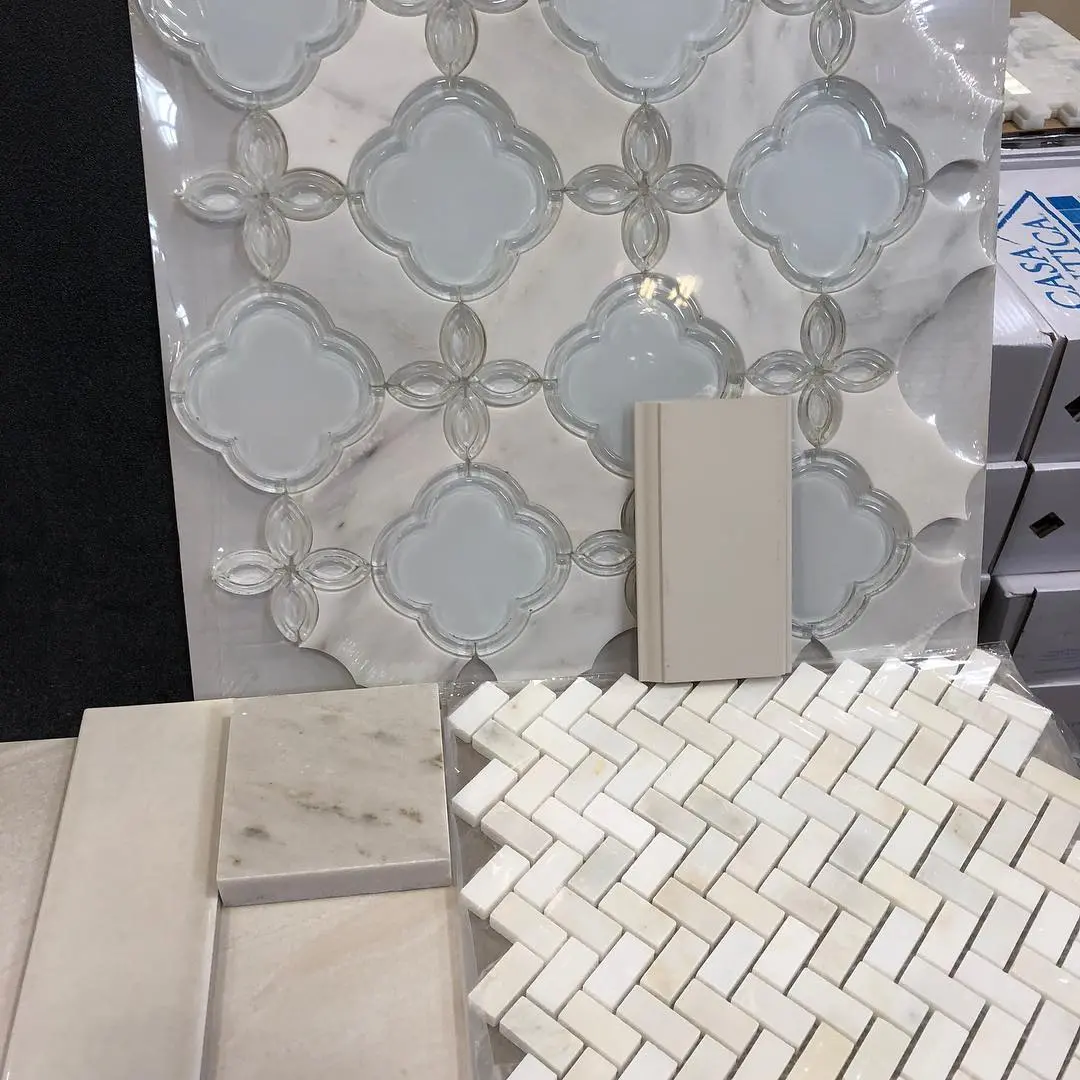
Natural stone connects to earth and permanence. Marble, limestone, slate, and granite each bring unique aesthetics while conveying natural origins. Stone works in flooring, countertops, fireplace surrounds, and accent walls. The key is showcasing stone’s natural beauty rather than forcing it into overly processed appearances.
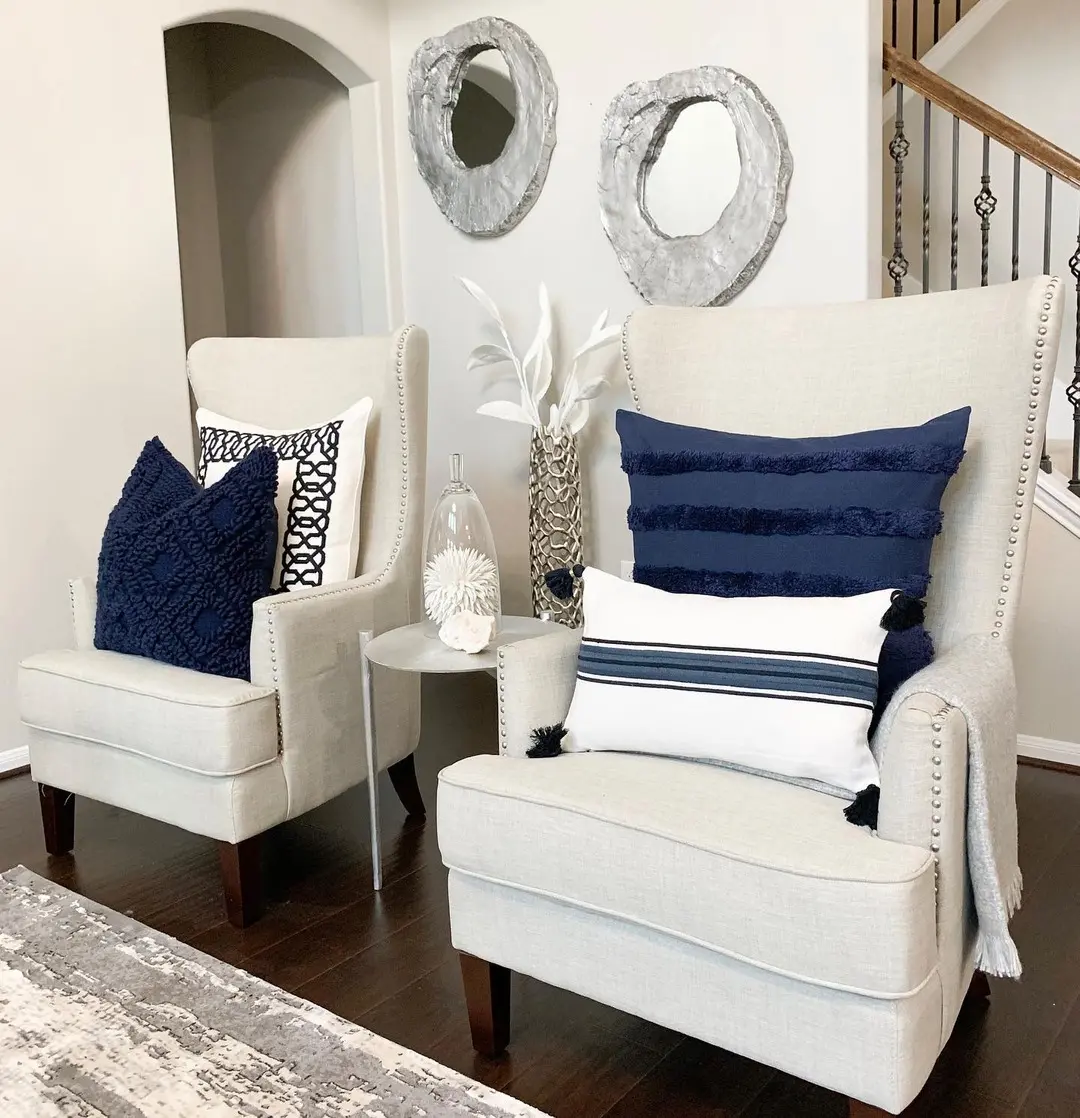
Fiber and textiles from natural sources add softness and warmth. Wool, cotton, linen, jute, and sisal all have distinct textural qualities derived from natural origins. These materials age gracefully and feel fundamentally different from synthetic alternatives.
Avoid materials that feel obviously artificial. Laminate pretending to be wood never convinces. Plastic manufactured to imitate stone falls short. Synthetic fabrics lack the subtle variations and aging characteristics of natural fibers. When budget requires compromise, choose honest materials over fake ones. A simple painted surface is better than bad laminate.
Finishing and processing impact how natural materials present. Heavily lacquered wood loses natural character. Over-polished stone appears artificial. Light hand in finishing preserves materials’ inherent qualities.
The Clifton Oasis project showcased material-focused biophilic design with reclaimed wood ceiling beams, limestone fireplace surround, wide-plank oak floors, and natural linen upholstery throughout. Every major surface connected to natural origins, creating space that felt grounded and organic.
Incorporating Living Elements: Plants and Green Walls
Living plants represent the most obvious biophilic element, yet they’re often implemented poorly or not at all.
Plant selection should match both aesthetic goals and maintenance reality. Low-maintenance options for typical homes include snake plants tolerating low light and inconsistent watering, pothos vining beautifully with minimal care, ZZ plants nearly indestructible, peace lilies offering flowers plus air purification, and rubber trees providing substantial presence with moderate care.
Avoid plants requiring specialist care unless you’re genuinely committed. Fiddle leaf figs, calatheas, and many orchids need specific conditions. Failed, dying plants undermine biophilic intentions.
Plant placement impacts both function and aesthetics. Group plants at varying heights for visual interest. Position plants where they’ll actually thrive given light conditions. Use plants to soften hard architectural lines or fill empty corners.
Container selection matters aesthetically and functionally. Natural materials like terra cotta, ceramic, or wood reinforce biophilic themes. Ensure adequate drainage to prevent root rot. Size containers appropriately for plant growth.
Living walls or vertical gardens create dramatic impact when done properly. These require irrigation systems, proper drainage, adequate light, and ongoing maintenance. The investment is substantial but the visual and air quality benefits are significant. Consider living walls in spaces where you spend significant time, like living rooms or home offices, rather than seldom-used areas.
Herb gardens in kitchens combine biophilic benefits with functional value. Fresh herbs for cooking plus the satisfaction of nurturing plants that directly contribute to meals. Position near sinks for easy watering and near windows for adequate light.
One Nature-Inspired Bath included multiple plant species chosen for humidity tolerance, creating spa-like atmosphere while benefiting from bathroom’s naturally humid environment. The plants thrived, and clients reported the space felt fundamentally different from typical bathrooms.
Water Features: Sound and Movement
Water’s presence creates profound psychological responses, making water features powerful biophilic elements.
The sound of moving water masks urban noise while triggering relaxation responses. Studies show water sounds reduce stress hormones and promote mental restoration. This isn’t imagination. It’s measurable physiological response.
Indoor water features range from small tabletop fountains to substantial wall-mounted installations. Scale to your space and maintenance tolerance. Small fountains require periodic refilling but minimal upkeep. Larger features need occasional cleaning and water quality management.
Placement impacts effectiveness. Water features work well in living areas where you spend time relaxing, in bedrooms for sleep support, or in offices for focus and stress management. Avoid spaces where water sounds might annoy, like near televisions or during phone calls.
Modern water features integrate cleanly into contemporary design. Wall-mounted panels with water sheets, minimalist bowl fountains, or stone basins with subtle bubbling all avoid dated aesthetic of 1990s indoor waterfall features.
For outdoor spaces visible from interior rooms, consider fountains, ponds, or water walls. These create biophilic connection even when viewed through windows. The visual of moving water plus associated sounds when windows open provide powerful natural connection.
Aquariums represent living water features combining motion, sound, and life. Maintenance requirements vary with size and complexity, but even small aquariums create focal points and support biophilic goals.
One Old Town Waterfront residence included a custom water wall in the entry, immediately establishing tranquil atmosphere upon entering. The feature included recirculating system with minimal maintenance requirements and LED lighting highlighting water movement.
Views and Visual Connections to Nature
Even when you can’t physically access outdoor spaces, visual connections provide significant biophilic benefits.
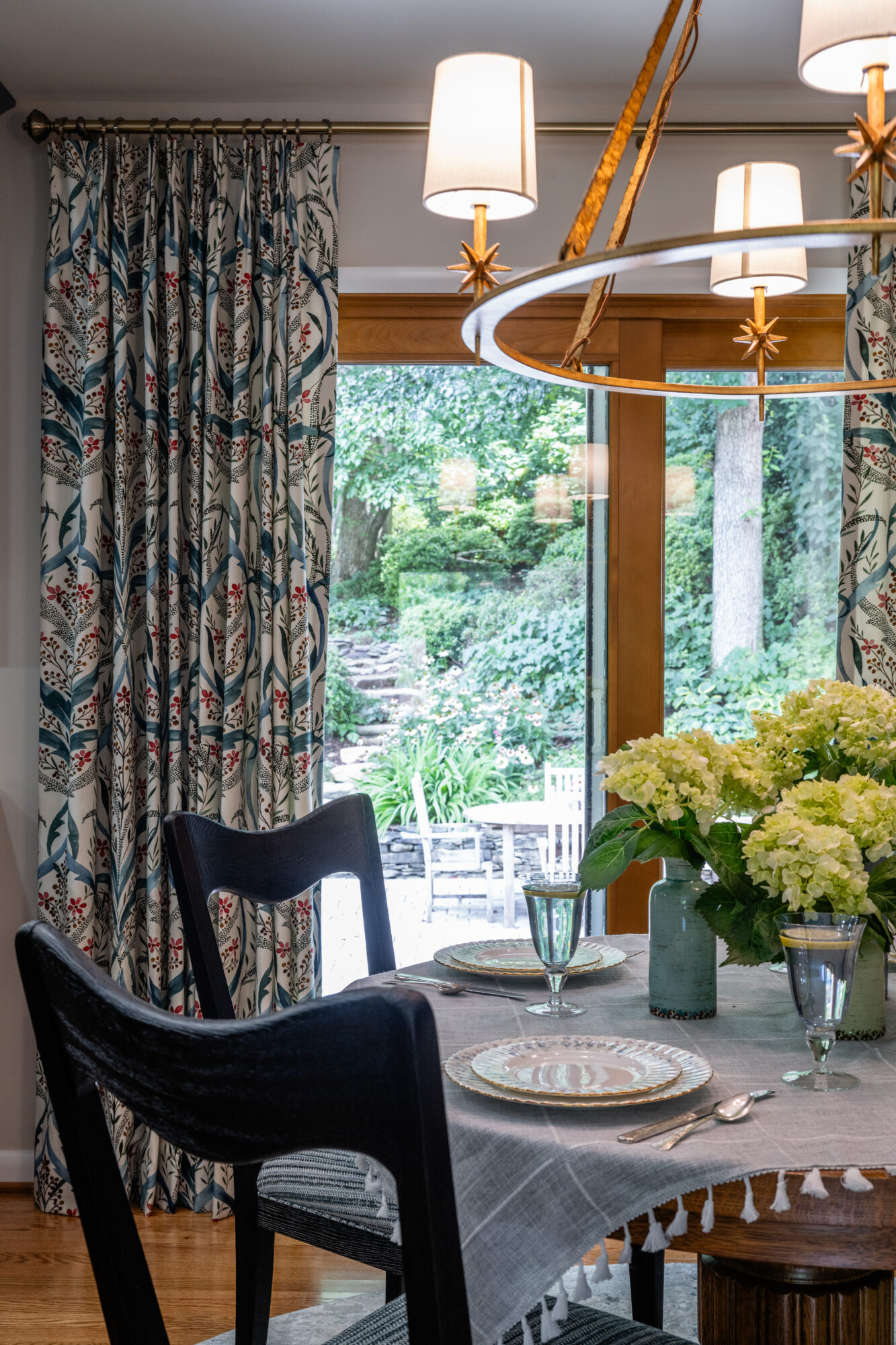
Window placement and sizing should maximize garden, tree, or sky views. During renovation planning, consider sightlines from primary living spaces. A window positioned to frame a beautiful tree provides ongoing benefit while a window viewing the neighbor’s wall does not.
Remove or minimize visual barriers between interior and exterior. Heavy window treatments, furniture blocking windows, or visual clutter on sills all reduce connection. Keep window areas clear and treatments light.
When natural views are limited, consider creating them. Courtyard gardens visible from multiple rooms bring nature into the home’s center. Even small gardens viewed through strategic windows provide benefits. Container gardens on balconies create green views in urban settings.
Photography and art depicting nature offer benefits when actual views are unavailable. Large-scale nature photography creates windows where physical ones don’t exist. Choose images depicting actual natural environments rather than abstract interpretations for maximum biophilic effect.
Framing views intentionally directs attention. A window positioned to frame a specific tree or garden bed creates stronger connection than a generic view. Consider this during design phase when window placement is flexible.
Seasonal variation in views supports circadian rhythms and connection to natural cycles. Deciduous trees visible from windows create changing views throughout seasons. Spring blooms, summer canopy, fall colors, and winter structure all provide psychological anchors to seasonal progression.
Understanding color trends derived from nature helps select palettes that reinforce biophilic goals.
Biomorphic Forms and Patterns
Nature rarely creates perfect straight lines or sharp angles. Incorporating organic forms and patterns creates subconscious natural connections.
Curved architectural elements feel more natural than rigid geometry. Arched doorways, rounded furniture edges, curved walls or ceiling treatments all reference organic forms. These don’t have to be dramatic. Subtle curves in otherwise rectilinear design provide sufficient reference.
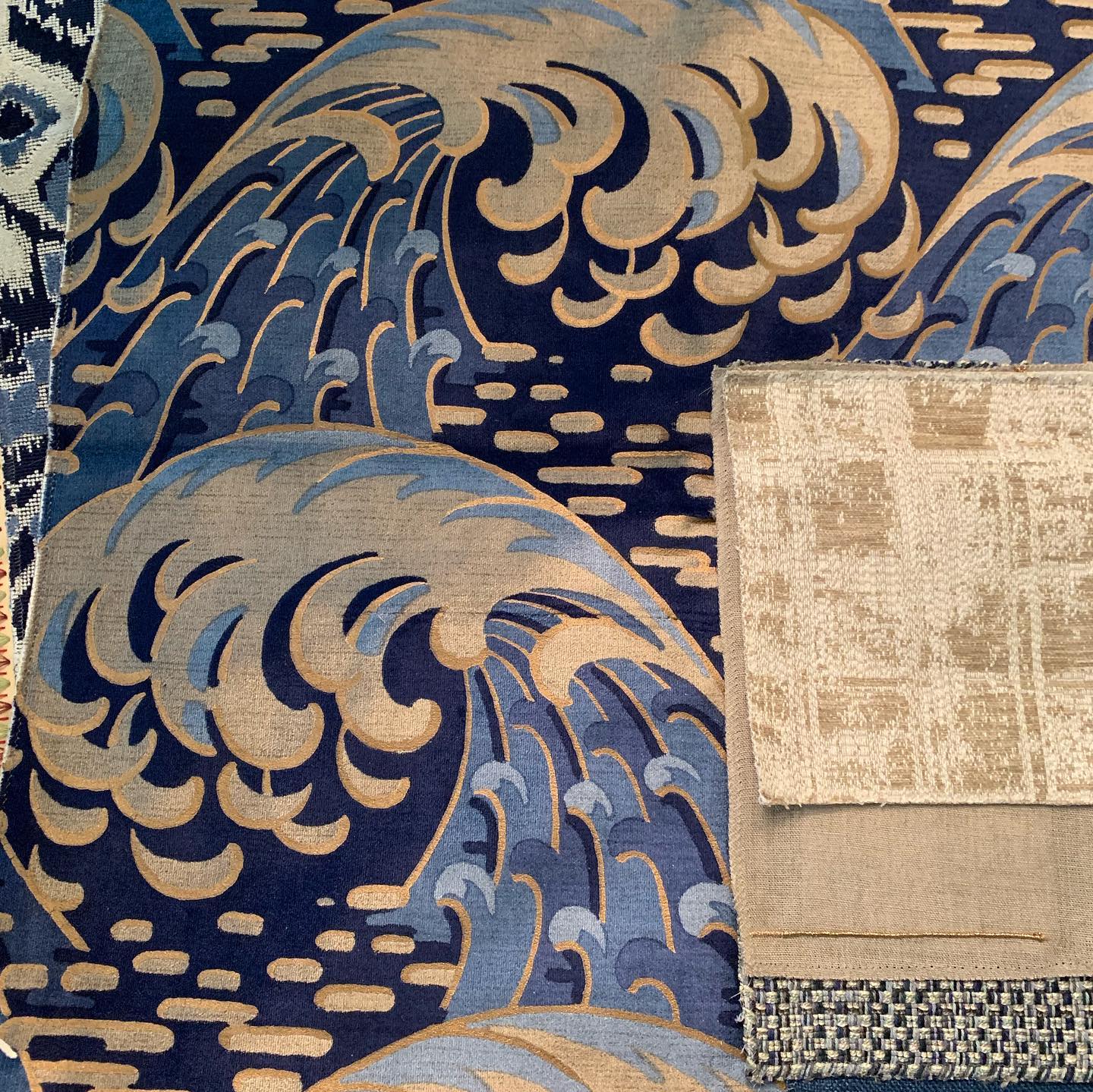
Natural patterns in tile, wallpaper, or textile selections create connections without literal representation. Patterns suggesting leaf forms, water movement, or stone textures all register as natural even when abstracted.
Furniture with organic shapes reinforces biophilic themes. Tables with live edge wood, chairs with flowing lines, or sculptural pieces suggesting natural forms all contribute. Balance these with sufficient rectilinear elements to avoid overwhelming space.
Fractal patterns found throughout nature create particular psychological responses. These self-similar patterns repeating at different scales appear in tree branches, coastlines, and countless natural phenomena. Incorporating fractals through architectural details, decorative elements, or art creates subconscious comfort.
Asymmetry and irregularity feel more natural than perfect symmetry. While humans appreciate order, absolute symmetry rarely occurs in nature. Design that balances order with natural irregularity feels most comfortable.
Color Palettes Inspired by Natural Environments
Color profoundly impacts mood and stress levels. Colors derived from natural environments create subconscious connections supporting biophilic goals.
Earth tones including browns, tans, ochres, and siennas ground spaces and create warm, welcoming environments. These colors appear in soil, stone, tree bark, and countless natural materials.
Plant-derived greens from sage to forest to moss bring calming, restorative qualities. Green is the most prevalent color in natural environments, and humans evolved spending lives surrounded by vegetation. Green’s calming effects are well documented.
Sky and water blues from pale sky to deep ocean create serene, contemplative spaces. Blue reduces blood pressure and heart rate more effectively than most colors. Water views provide powerful biophilic connection partly due to blue’s prevalence.
Sunset and earth tones including soft peaches, warm grays, and dusky roses reference dawn and dusk light, supporting circadian rhythm awareness.
Avoid highly saturated, unnatural colors. Bright electric blue doesn’t exist in nature. Neon green appears in few natural contexts. These colors create subtle psychological discomfort because they don’t reference natural environments.
Vary shades and tones rather than using flat, uniform color. Nature presents colors in gradients and variations. A perfectly uniform painted wall feels less natural than a wall with subtle color variation through technique or material choice.
The Colorful Contemporary project used nature-derived color palette of soft sage, warm gray, and touches of rust, all colors appearing in Northern Virginia’s natural landscape. The result felt both contemporary and organically connected to regional environment.
Sensory Experience Beyond Visual
Complete biophilic design engages multiple senses, not just sight.
Sound design matters significantly. Natural sounds like bird calls, wind, or water mask urban noise while providing subconscious comfort. Sound systems can introduce natural soundscapes. Outdoor spaces accessible from interior rooms allow actual natural sounds to penetrate. Wind chimes or rustling plants on balconies create gentle natural sound.
Tactile experiences through material selection and textural variety engage touch. Natural wood, stone, and fibers feel fundamentally different from plastic or metal. Provide opportunities to physically connect with natural materials through furniture, fixtures, or architectural elements.
Scent influences mood and memory powerfully. Natural scents through fresh flowers, herbs, or essential oils create positive associations. Some plants like lavender or eucalyptus provide scent benefits beyond visual presence. Avoid synthetic fragrances attempting to mimic natural scents; they rarely convince and often cause headaches or allergic responses.
Temperature and airflow variations feel more natural than static climate control. Operable windows allowing fresh air, ceiling fans creating gentle movement, and variable temperature zones all reference natural environment’s changing conditions.
Biophilic Design for Different Spaces
Different rooms benefit from specific biophilic strategies based on function and usage patterns.
Living rooms as family gathering spaces benefit from visual nature connections through large windows, abundant natural light, living plants, and natural material furnishings. These spaces support both relaxation and social connection.
Bedrooms prioritize sleep support through natural light exposure during waking hours and darkness during sleep, calming color palettes, natural fiber linens and textiles, and minimal technology.
Home offices benefit from cognitive performance enhancements through natural light maximized for desk areas, plants positioned within view, views of nature from work position when possible, and natural materials in furniture and finishes.
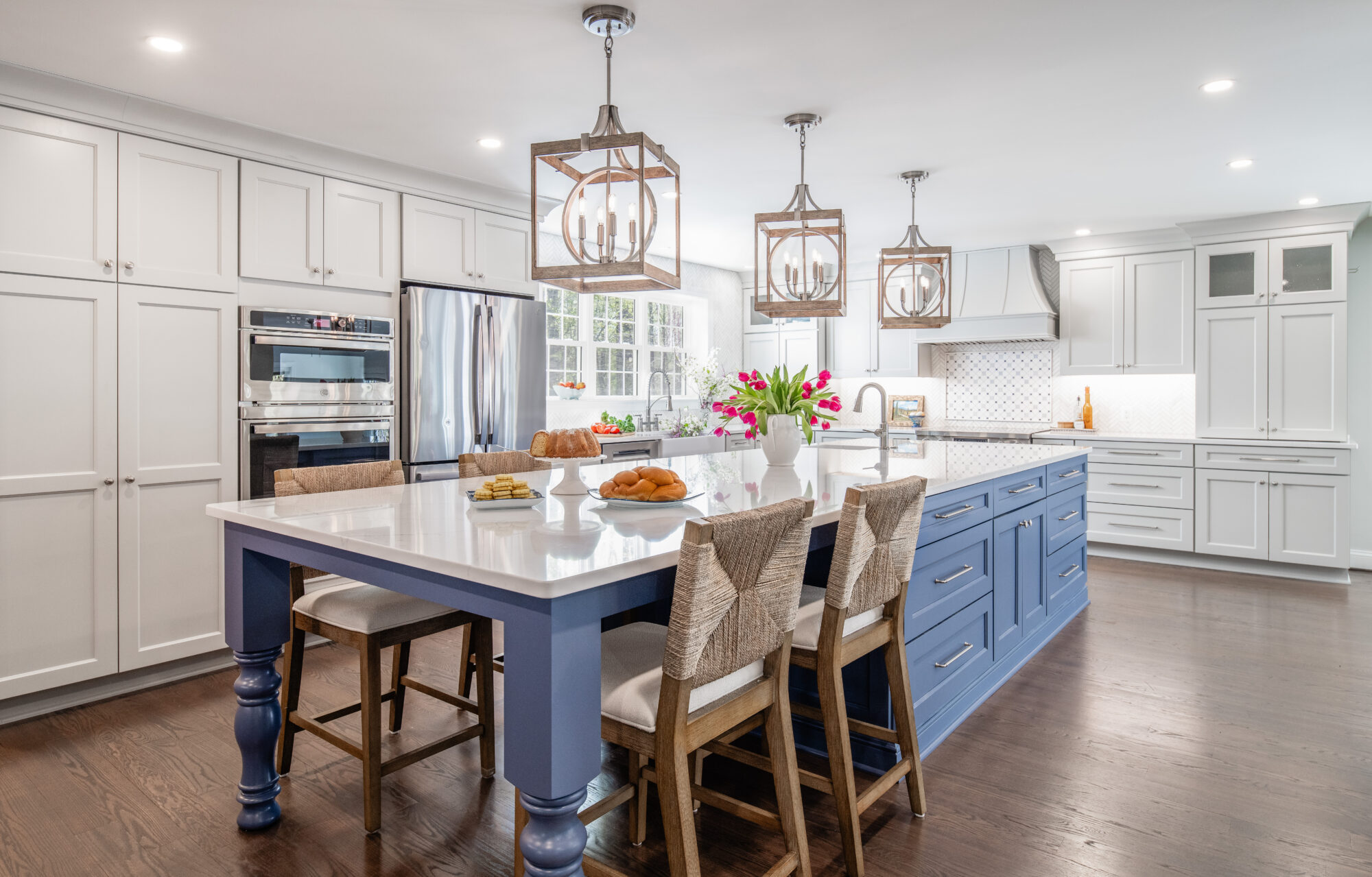
Kitchens combine functional and biophilic goals through herb gardens for fresh cooking ingredients, natural stone countertops, wood elements, and windows positioned for natural light and views during food preparation.
Bathrooms create spa-like environments through humidity-loving plants, natural stone and wood materials, natural light or skylights, and water features or views.
Seasonal Transitions: Spring as Biophilic Opportunity
Spring represents optimal timing for biophilic design implementation, as nature’s renewal reminds us of connections we’re missing.
Spring cleaning motivation extends naturally to biophilic improvements. As you clear winter’s clutter, consider adding plants, refreshing with nature-inspired colors, or increasing natural light through cleaned windows and lighter window treatments.
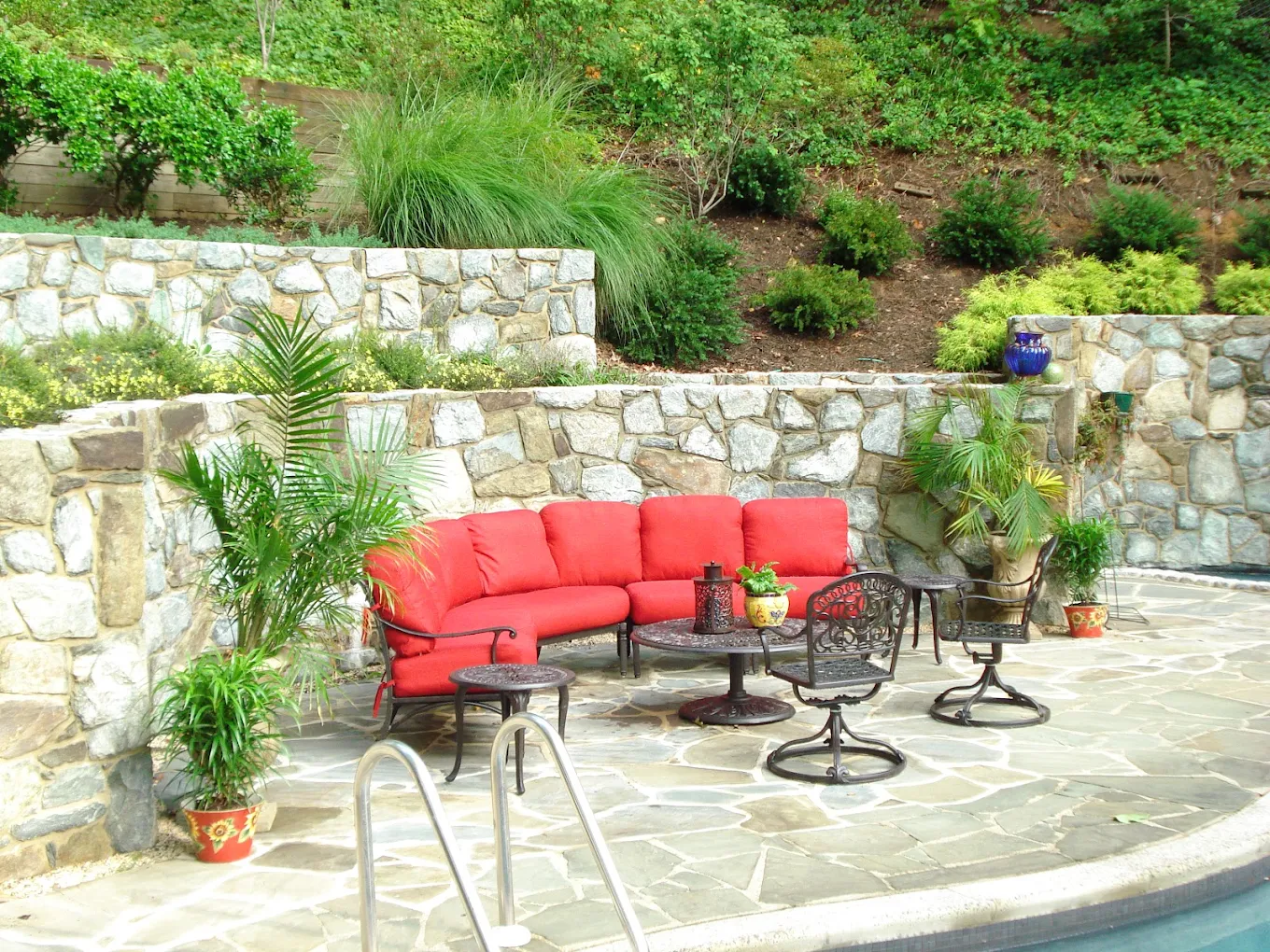
Gardening season allows outdoor biophilic connections. Even small container gardens on balconies or patios extend interior biophilic principles outdoors. Position outdoor plants where they’re visible from interior spaces for year-round benefit.
Spring light changes as days lengthen and sun angles shift. Evaluate how natural light enters your home during spring and summer versus winter. This information guides window treatment selections and space planning.
Tax refund season often provides budgets for home improvements. Biophilic renovations ranging from adding skylights to comprehensive material refreshes become financially feasible in late winter and spring.
Understanding spring design trends helps position biophilic choices within broader design context.
Your Move: Creating Biophilic Sanctuary
February and March 2026 represent perfect timing for biophilic design planning. Winter reminds us of disconnection from nature. Spring approaches with renewal and growth. Tax season provides budgets. Motivation runs high.
Whether you live in Fairfax, Arlington, Alexandria, McLean, or Great Falls, Shea Studio Interiors can help you create homes that reconnect you with nature while supporting health and wellbeing.
June Shea’s 30+ years of experience includes comprehensive understanding of how design choices impact daily life and long-term satisfaction. She’s watched biophilic design evolve from concept to essential element of wellness-focused homes.
The question isn’t whether reconnecting with nature improves health and happiness. The research proves it does. The question is: how much better could your daily life be if your home actively supported your biological need for natural connection instead of severing it?
Ready to create your biophilic sanctuary? Schedule your nature-inspired design consultation with June Shea today.