Your master bed room is the room you see first thing every morning and last thing every night. It should be a sanctuary, a retreat, a space that makes you feel relaxed and restored. Instead, it’s probably where laundry piles up, where you toss mail you’ll “deal with later,” where exercise equipment sits unused, and where romance went to die somewhere between the mismatched furniture and the harsh overhead lighting.
You’re not alone. Most couples in Alexandria, Fairfax, and Arlington treat their master bedrooms as afterthoughts, the last room to get attention when renovating or decorating. Meanwhile, you invest in beautiful kitchens and living rooms for guests to see, while the most intimate space in your home remains neglected.
Luxury master bedroom design in Alexandria VA transforms bedrooms from chaotic catch-all spaces into romantic retreats that actually strengthen relationships. After 30+ years designing homes throughout Northern Virginia, June Shea has learned that bedrooms aren’t just about aesthetics. They’re about creating environments that support rest, intimacy, and the daily ritual of beginning and ending each day together. The difference between a bedroom that drains energy and one that restores it often comes down to specific, strategic design choices that most couples never consider.
Why Your Master Bedroom Deserves the Same Investment as Your Kitchen
Most couples spend $40,000 to $80,000 renovating kitchens they use for an hour or two daily. Meanwhile, they spend eight hours every night in bedrooms that haven’t been updated since they moved in. The math doesn’t make sense.
The bedroom serves as your daily retreat from stress, responsibility, and the demands of work and family. It should actively support rest and relationship. When bedrooms feel chaotic, cluttered, or uninviting, they undermine both. Poor sleep environment affects health, mood, and productivity. Unromantic spaces undermine intimacy and connection.
Consider how you actually use your bedroom. You dress there each morning, making first impressions on yourself. You unwind there each evening, transitioning from work mode to rest. You sleep there, which impacts everything from immune function to emotional regulation. You connect with your partner there, maintaining intimacy that sustains long-term relationships. Every one of these functions benefits from thoughtful design.
Yet most bedrooms accumulate furniture and décor over years without intentional planning. The bed came from your first apartment. The nightstands were gifts. The dresser belonged to your grandmother. Nothing coordinates. Nothing creates cohesive atmosphere. The result feels like a collection of furniture rather than a designed sanctuary.
One Alexandria couple came to June after realizing they spent $65,000 renovating their kitchen but hadn’t updated their bedroom in 12 years. They ate breakfast in that beautiful kitchen for 20 minutes daily. They spent eight hours nightly in that neglected bedroom. After June created a spa-like master suite with proper lighting, beautiful materials, and romantic atmosphere, they reported not just better sleep but renewed appreciation for their personal space. The investment in their private sanctuary delivered daily returns in quality of life.
Creating Spa-Like Serenity: The Foundation of Romantic Retreats
Romance doesn’t happen in cluttered, chaotic spaces. It requires environments that feel calm, beautiful, and intentionally designed for intimacy.
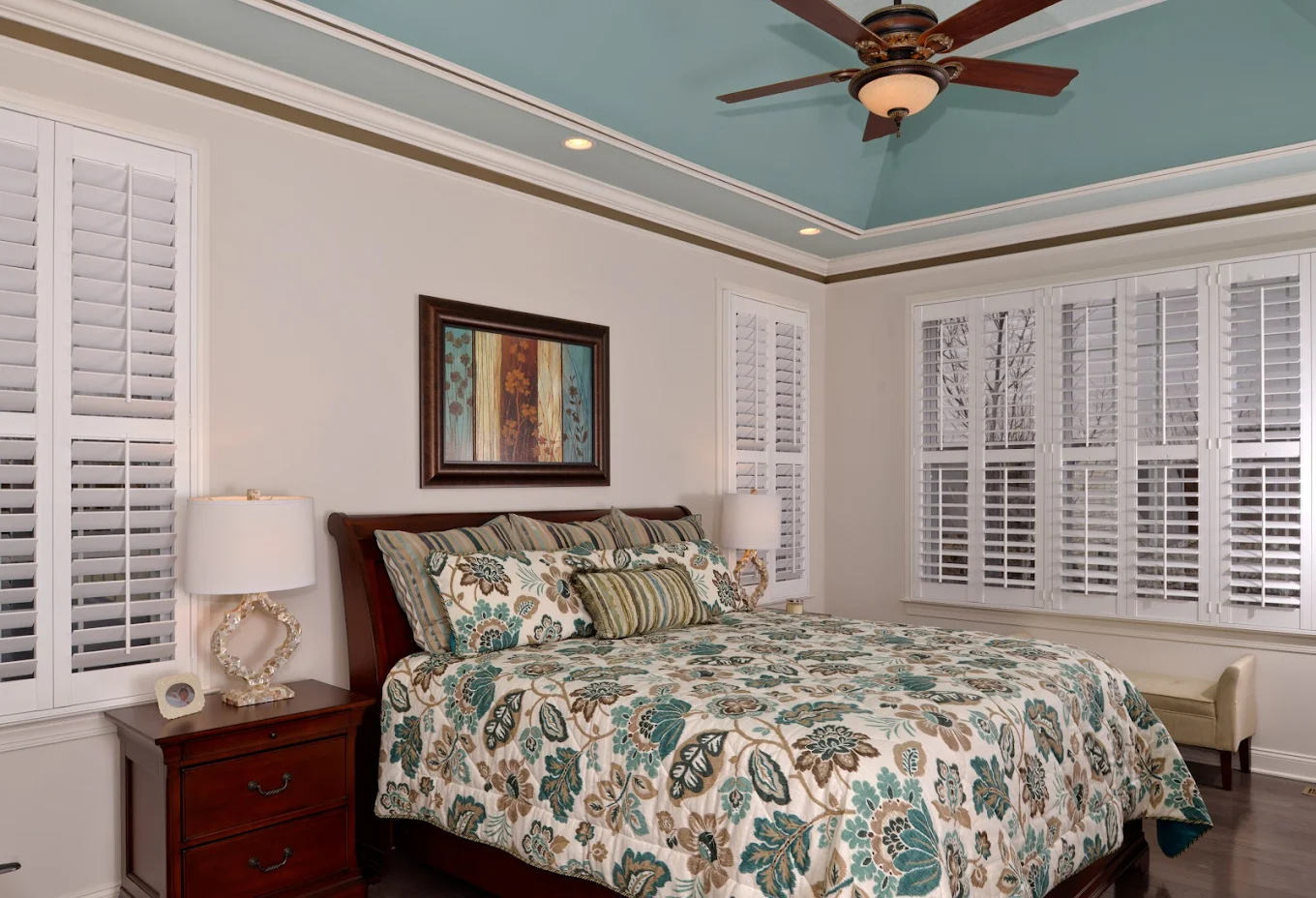
Color psychology plays an enormous role in bedroom atmosphere. Soft, muted colors create relaxation. Deep, rich tones add drama and intimacy. Harsh, bright colors energize rather than calm. For romantic retreats, think warm grays, soft blues, dusty roses, sage greens, and creamy whites. These colors soothe rather than stimulate, creating backdrop for rest and connection.
Avoid stark white, which feels clinical rather than intimate. Skip bright primary colors, which belong in kids’ rooms. Steer clear of dark browns or blacks as dominant colors, which can feel oppressive. The goal is creating cocoon-like comfort that invites you to relax completely.
Texture matters as much as color. Soft, touchable surfaces throughout the bedroom create sensory comfort. Plush area rugs underfoot, quality linens with high thread counts, velvet or linen upholstery on seating, and window treatments in soft fabrics all contribute. Hard, cold surfaces belong in kitchens and bathrooms, not bedrooms.
Lighting might be the single most important element in creating romantic atmosphere. Most bedrooms suffer from inadequate or harsh lighting. A single overhead fixture creates shadows and feels institutional. Layered lighting with multiple sources and dimming capability transforms mood completely.
Bedside table lamps provide reading light and ambient glow. Wall sconces free up nightstand space while adding architectural interest. Dimmer switches on all lighting circuits allow adjustment from bright for morning preparation to soft for evening wind down. Consider adding accent lighting like LED strips beneath the bed frame for subtle nighttime navigation.
Natural light deserves attention too. Blackout or room darkening window treatments ensure quality sleep by blocking early morning sun or streetlights. Layering sheer curtains beneath allows filtered natural light during the day while maintaining privacy.
Understanding ceiling treatment possibilities can add another dimension of sophistication to bedroom design.
The Bed: Investing in the Room’s Centerpiece
Your bed dominates the bedroom visually and functionally. Investing here pays the highest returns in comfort and aesthetics.
Size matters more than many couples admit. Queen beds provide adequate space for two adults, but king beds offer significantly more personal space. If either partner is tall, restless, or simply values space, the extra investment in a king bed improves sleep quality for both people. California king beds work particularly well for very tall individuals.
Quality mattresses represent health investments, not just comfort upgrades. Adults need proper support for spine alignment and pressure point relief. What worked in your twenties might not serve you well in your forties or fifties. Plan to replace mattresses every seven to ten years regardless of apparent condition, as materials break down and lose support.
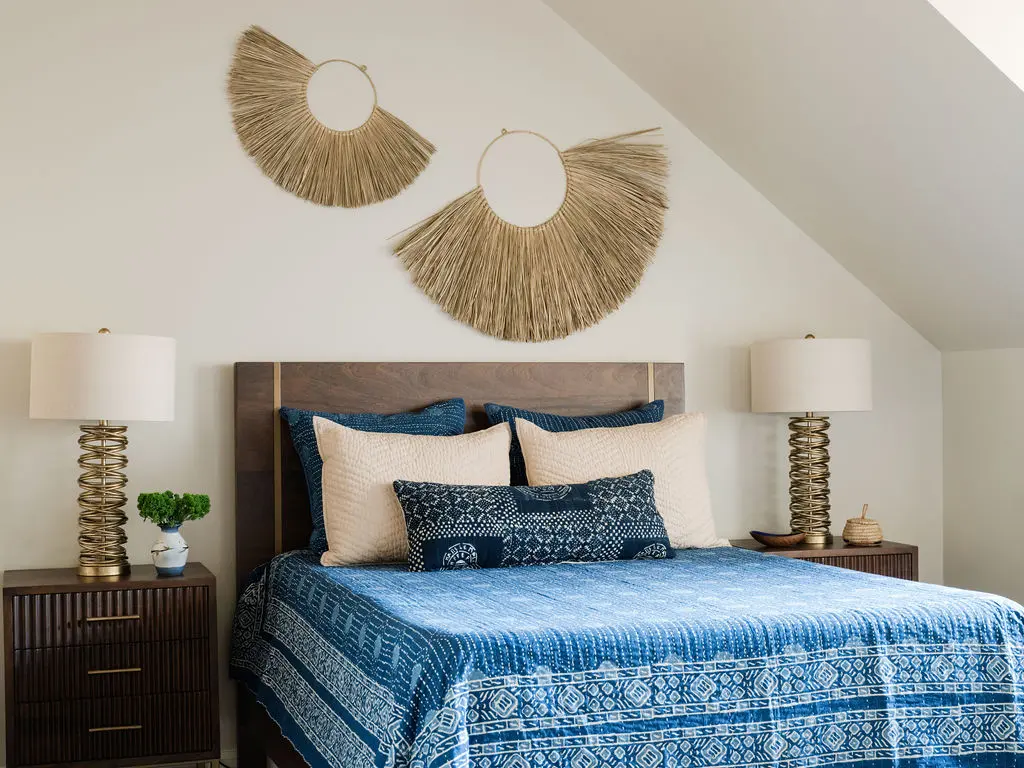
Bed frames and headboards create the room’s visual anchor. Upholstered headboards in luxurious fabrics add softness and elegance. Wood frames in walnut, oak, or cherry bring warmth. Metal frames in brass, bronze, or iron add drama. The choice should reflect overall bedroom aesthetic while providing substantial presence.
Headboard height impacts room proportions. Standard headboards rise 48 to 60 inches from the floor. Statement headboards might extend 72 inches or higher, creating dramatic focal points. Taller headboards work better in rooms with higher ceilings. Consider the view from both standing and lying positions.
Bedding creates immediate luxury impression. Quality sheets with thread counts of 400 to 600 feel noticeably better than economy options. Multiple pillows in varying sizes and textures add visual interest and functional comfort. Duvet covers or coverlets in beautiful fabrics complete the composition. Layer textures and colors for depth.
One Old Town Waterfront master bedroom featured a custom upholstered headboard in soft gray velvet extending 68 inches high, paired with crisp white Italian linens, multiple throw pillows in coordinating grays and soft blues, and a cashmere throw at the foot. The bed became a luxury hotel level centerpiece that clients report makes them excited to go to bed each night.
Storage Solutions That Maintain Serenity
Nothing undermines romantic atmosphere faster than visible clutter. Strategic storage keeps necessities accessible while maintaining visual calm.
Closet organization deserves significant attention. Most master closets lack adequate organization, resulting in cluttered bedroom spaces as clothing and accessories overflow. Custom closet systems with proper divisions for hanging, folding, shoes, and accessories transform function while reducing bedroom clutter.
If your closet is inadequate, consider expanding it as part of bedroom renovation. Borrowing space from adjacent rooms or building additions specifically for walk-in closets can be worthwhile investments. Couples need more storage than most homes provide, especially in older homes built before modern wardrobe sizes.
Built-in storage in bedrooms provides elegant solutions. Custom cabinetry flanking windows or along walls offers significant storage without the bulky appearance of freestanding furniture. These built-ins can house everything from clothing to electronics to books, all behind beautiful doors that maintain clean visual lines.
Nightstand selection impacts both function and clutter. Tables with drawers keep personal items like glasses, medications, and electronics organized but not visible. Open nightstands become clutter magnets. Choose substantial pieces with adequate storage.
Under-bed storage works for seasonal items or extra linens but avoid using it for daily access items. Constantly reaching under the bed disrupts the room’s serene quality. Reserve under-bed storage for things needed occasionally.
One Fairfax couple struggled with bedroom clutter despite a large closet. The problem was poor closet organization, causing overflow into the bedroom. June redesigned the closet interior with custom systems, more than doubling usable storage. The bedroom instantly felt more spacious and serene simply by giving everything proper homes in the closet.
Creating Intimate Seating Areas
Master bedrooms large enough to accommodate seating areas benefit from zones beyond just the bed.
Reading nooks provide comfortable spaces for unwinding without screens. A quality chair or small loveseat positioned near a window with good reading light creates retreat within the retreat. Add a small side table for books, glasses, or evening tea.
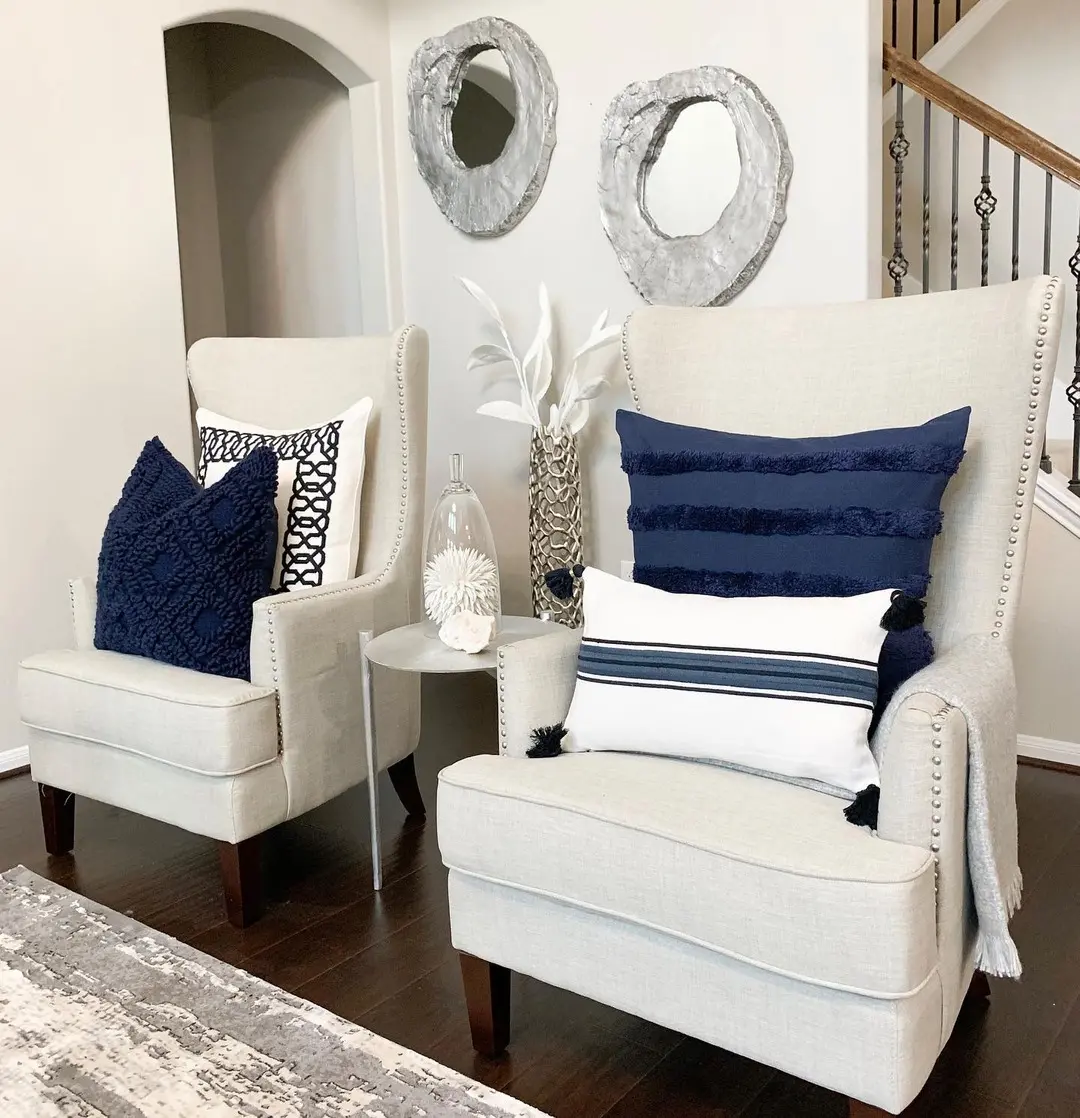
Conversation areas for couples use two chairs facing each other or positioned at angles with a small table between. This creates space for talking, planning, or simply being together without always defaulting to the bed or leaving the bedroom entirely.
Window seats, when window configurations allow, offer built-in seating with potential storage beneath. These work beautifully in bedrooms with bay windows or large windows with deep sills. Add cushions and pillows for comfort.
The key is ensuring seating feels intentional and intimate rather than like furniture shoved into corners. Proper lighting for the seating area, thoughtful placement relative to windows and views, and comfortable, beautiful pieces all matter.
One McLean master suite included a sitting area with two reading chairs upholstered in soft leather, a small round table between them, dedicated reading lamps, and a view of the backyard garden. The couple reports using this space daily for morning coffee or evening conversation, activities that used to happen in the kitchen or living room but feel more intimate in their private bedroom space.
Connecting to Nature: Biophilic Elements in Bedrooms
Biophilic design principles that connect interior spaces to nature create particularly powerful effects in bedrooms.
Plants improve air quality while adding life and color. Low-maintenance options for bedrooms include snake plants, pothos, peace lilies, and ZZ plants. These tolerate lower light levels and inconsistent watering. Place plants on dressers, nightstands, or in corners where they add visual interest.
Natural materials bring organic warmth. Wood furniture, stone accents, woven textiles, and natural fiber rugs all connect to nature. These materials age beautifully and feel timeless rather than trendy.
Views of nature through windows provide psychological benefits. Position beds or seating to take advantage of garden views, tree canopy, or sky views. If your bedroom lacks natural views, consider adding large scale nature photography or botanical prints.
Natural light patterns throughout the day create connection to natural rhythms. While blackout treatments are essential for sleep, allowing morning light to filter in supports healthy circadian rhythms. Consider sheer curtains behind blackout shades or drapes, allowing you to control light levels throughout the day.
Water features like small fountains create soothing sounds that mask urban noise while evoking nature. The gentle sound of water promotes relaxation and can improve sleep quality. Keep these subtle; you want gentle background sound, not attention-demanding noise.
Technology Integration Without Disruption
Modern bedrooms require technology but shouldn’t be dominated by it.
Television placement creates debate. Some couples want televisions in bedrooms for evening relaxation. Others prefer technology-free sleep environments. If you include a TV, consider solutions that minimize its visual impact. Televisions that hide in cabinets or lift from the foot of the bed disappear when not in use. Wall-mounted TVs placed opposite the bed avoid furniture-like presence.
Screen time before bed disrupts sleep quality, so if you include a TV, use it intentionally and turn it off well before sleep. Blue light from screens suppresses melatonin production. Many experts recommend no screens for an hour before bed.
Charging stations keep devices necessary but not intrusive. Built-in USB ports in nightstands or discreet charging drawers keep phones accessible without cluttering surfaces. Consider charging stations in closets or bathrooms rather than on nightstands, removing devices from the sleep environment entirely.
Smart lighting systems allow voice control or app control of all bedroom lighting. Set scenes for different times and activities: bright morning lighting, soft reading lighting, romantic evening lighting. Programming these scenes means you don’t manually adjust multiple switches and dimmers.
Climate control impacts sleep quality significantly. Smart thermostats can program bedrooms cooler for sleep and warmer for waking. Most people sleep better in slightly cool environments, typically 65 to 68 degrees Fahrenheit.
Sound systems integrated into ceilings or hidden speakers allow music without visible equipment. White noise machines or apps mask disruptive sounds. Some couples enjoy nature sounds or meditation tracks as part of evening routines.
Understanding smart home possibilities helps integrate technology thoughtfully rather than letting it dominate.
Bathroom Connections: Creating Spa-Like Master Suites
Master bedrooms connected to beautiful bathrooms create complete retreat experiences.
The transition between bedroom and bathroom matters. Pocket doors or elegant French doors maintain privacy while feeling less institutional than standard swing doors. Some master suites eliminate doors entirely between bedroom and bathroom, using partial walls for privacy while maintaining openness.
En suite bathrooms should coordinate aesthetically with bedrooms. Similar color palettes, complementary materials, and consistent lighting create cohesion. The bathroom should feel like natural extension of the bedroom rather than jarring shift.
Luxury bathroom features enhance the retreat quality. Freestanding soaking tubs, steam showers, heated floors, and double vanities all contribute to spa-like experience. When couples can enjoy beautiful bathroom amenities as part of their daily bedroom retreat, the investment pays daily dividends.
One Spa Bath project connected to a master bedroom featured a freestanding tub positioned to view the garden, a large steam shower with rainfall showerhead and body sprays, heated marble floors, and a custom double vanity. The bathroom became as important to the retreat experience as the bedroom itself, with clients reporting evening baths became regular relaxation rituals.
Art and Personal Touches That Tell Your Story
Bedrooms should reflect the couple’s personality and shared history without feeling cluttered.
Art selection for bedrooms differs from public spaces. Abstract pieces in soothing colors work well. Landscape or nature photography creates calm. Personal photography of meaningful places or moments adds intimacy. Avoid anything too stimulating, jarring, or energetic. The goal is supporting relaxation.
Scale matters in bedroom art. One large piece above the bed creates drama and focus. Gallery walls work in seating areas but can feel busy above beds where you want visual calm.
Meaningful objects displayed thoughtfully add personality. Perhaps it’s pottery from your honeymoon, books you both love, or objects from shared travel. The key is curation. Three meaningful objects displayed beautifully convey more than 30 things crammed on surfaces.
Scent creates powerful atmosphere and memory. Candles, diffusers, or fresh flowers add subtle fragrance. Choose scents you both enjoy, typically leaning toward calming options like lavender, vanilla, sandalwood, or eucalyptus.
Personal touches should enhance rather than clutter. The bedroom isn’t a museum of your entire relationship history. It’s a carefully curated space that reflects who you are while maintaining serenity.
Color Palettes That Promote Romance and Rest
Color choices profoundly impact bedroom atmosphere and sleep quality.
Soft, muted tones create the most universally relaxing environments. Think dusty rose, soft sage, warm gray, pale blue, or creamy ivory. These colors recede visually, making rooms feel cocoon-like rather than expansive.
Deeper, richer colors add drama and intimacy. Deep navy, forest green, charcoal gray, or burgundy create sophisticated, enveloping spaces. These work particularly well in larger bedrooms or rooms with abundant natural light. In smaller or darker rooms, they might feel oppressive.
Accent colors provide interest without overwhelming. Perhaps pillows, throw blankets, or art introduce bolder colors while walls and major furniture remain neutral. This approach allows easy updates as preferences change.
Avoid colors that energize rather than relax. Bright reds increase heart rate and blood pressure, counterproductive for sleep. Bright yellows energize, fine for kitchens but not ideal for bedrooms. Stark whites feel cold and clinical rather than warm and intimate.
Coordinating colors throughout the bedroom, including linens, upholstery, window treatments, and walls, creates cohesive sophistication. This doesn’t mean everything matching exactly, but colors should relate and complement.
Understanding current color trends helps choose palettes that feel fresh without being so trendy they quickly date.
Window Treatments: Privacy Meets Light Control
Bedroom windows require thoughtful treatment for both function and beauty.
Blackout or room darkening treatments support quality sleep by blocking light. Even small amounts of light can disrupt sleep cycles. Options include blackout roller shades, lined drapery, or cellular shades designed for light blocking.
Layering window treatments provides flexibility. Sheer curtains nearest the window allow filtered natural light and privacy during the day. Blackout shades or drapes layer over these for complete darkness at night. This combination provides maximum control.
Motorized options add convenience and clean lines. Program shades to lower at sunset and raise at sunrise, supporting natural circadian rhythms. Remote or app control means you don’t get out of bed to adjust treatments.
Hardware and heading styles impact aesthetics significantly. Custom drapery on decorative rods adds elegance. Simple roller shades provide clean modern lines. Choose based on overall bedroom style.
Floor-to-ceiling treatments make rooms feel taller and more luxurious. Even if windows don’t extend to the ceiling, hanging treatments at ceiling height creates this illusion. Treatments should puddle slightly on the floor or break exactly at the floor line, never hover above it.
Flooring That Feels Luxurious Underfoot
The first thing you touch every morning and last thing every night is often your bedroom floor. Make it pleasant.
Hardwood floors look beautiful and work well in bedrooms if paired with area rugs beside the bed. Stepping onto cold, hard floors first thing in the morning feels harsh. Area rugs provide soft landing while allowing hardwood beauty.
Carpet remains popular in bedrooms for its softness and warmth underfoot. Choose quality carpet with good padding. Low-pile or medium-pile carpets feel more sophisticated than plush. Neutral colors age better than bold patterns.
Luxury vinyl plank provides wood appearance with softer feel than actual hardwood. Modern LVP looks remarkably realistic while feeling slightly warmer and softer underfoot.
Heated floors, while an investment, provide incredible luxury for cold winter mornings. Radiant floor heating under tile, stone, or even luxury vinyl creates warmth that makes getting out of bed in February much more appealing.
Area rug placement matters. Ideally, rugs extend beyond the sides and foot of the bed so you step onto rug when getting in or out of bed from either side. Too-small rugs feel like afterthoughts.
Budget Considerations: Creating Luxury Within Your Means
Bedroom transformations range from modest refreshes to complete custom renovations. Understanding budget allocation helps maximize impact.
Paint and textiles provide the highest return on modest budgets. Fresh wall color in a romantic shade, new high-quality bedding, updated window treatments, and thoughtful lighting can completely transform bedroom atmosphere for $3,000 to $8,000.
Mid-range renovations at $15,000 to $35,000 might include new flooring, custom closet systems, updated lighting with multiple fixtures and dimmers, new furniture pieces including bed and seating, quality window treatments, and fresh paint throughout.
High-end transformations at $40,000 to $100,000+ involve complete room redesign with potential structural changes, custom built-ins throughout, luxury materials like stone, hardwood, or premium carpet, connected bathroom renovation, sophisticated lighting design, and museum-quality furnishings.
Most couples find mid-range budgets sufficient to create dramatic improvement without the investment of full renovation. The key is spending on elements that impact daily experience: quality mattress and bedding, proper lighting, adequate storage, and beautiful colors and textures.
One Arlington couple had $25,000 for their bedroom transformation. June allocated $8,000 to a new king bed with custom upholstered headboard, $4,500 to custom closet organization, $3,500 to new hardwood floors and area rugs, $3,000 to layered lighting with multiple fixtures and dimmers, $2,500 to window treatments, $2,000 to paint and millwork, and $1,500 to artwork and accessories. The result felt like a luxury hotel suite while staying within budget.
Your Move: Creating Your Romantic Retreat
February’s focus on romance makes it perfect timing for bedroom transformations. Valentine’s Day reminds couples to prioritize relationship. Tax refund season provides budgets. Winter’s end creates motivation for spring refresh.
Whether you live in Alexandria,Fairfax, Arlington, McLean, or Great Falls,Shea Studio Interiors can help you create master bedrooms that strengthen relationships while providing genuine daily restoration.
June Shea’s 30+ years of experience includes countless master bedroom transformations for couples at every life stage. She understands the balance between beauty and function, romance and practicality, luxury and livability.
The question isn’t whether your relationship deserves a beautiful, romantic sanctuary instead of a cluttered afterthought space. The question is: how might your daily life and relationship improve if the first thing you saw each morning and the last thing each night was a space designed specifically to support rest, connection, and romance?
Ready to create your romantic master bedroom retreat? Schedule your design consultation with June Shea today.