You’ve been planning your kitchen renovation for months. You’ve scrolled through thousands of Pinterest images, watched dozens of YouTube videos, and saved screenshots of dream kitchens. You have a budget, a timeline, and a vision. You’re ready to start.
Then, six months and $75,000 later, you realize your brand new kitchen has a massive problem. Maybe the island blocks traffic flow. Maybe the microwave ended up in the worst possible location. Maybe you spent $15,000 on appliances that don’t actually fit your lifestyle. Maybe the beautiful marble counters you insisted on are covered in stains because no one told you they needed constant maintenance.
These aren’t hypothetical scenarios. They’re real mistakes that Northern Virginia homeowners make repeatedly, costing thousands in wasted money and years of daily frustration.
The 12 most expensive kitchen renovation mistakes in Northern Virginia share one common thread: they’re all completely preventable with proper planning and professional guidance. After 30+ years designing kitchens throughout Fairfax, Arlington, and Alexandria, June Shea has seen every possible mistake and learned exactly how to avoid them. The difference between kitchens that work beautifully for decades and those that frustrate owners daily often comes down to decisions made before construction even begins.
Mistake #1: Ignoring the Work Triangle and Traffic Flow
The kitchen work triangle connecting sink, stove, and refrigerator isn’t just design theory. It’s how kitchens actually function in real life.
The work triangle concept suggests these three elements should form a triangle with each leg measuring between 4 and 9 feet, with the total perimeter between 13 and 26 feet. This places everything within easy reach without requiring excessive walking while preventing the cramped feeling of elements too close together.
Many homeowners prioritize aesthetics over function, creating kitchens that look beautiful in photos but fail during daily use. A massive island might look impressive but completely disrupts the work triangle if placed poorly. Open concept layouts can scatter work zones so far apart that cooking becomes an exhausting marathon.
Traffic patterns matter just as much. Kitchens serve as household thoroughfares, with family members passing through to access other rooms, grab snacks, or simply check what’s for dinner. The work triangle shouldn’t intersect major traffic paths. You don’t want people walking between the stove and sink while you’re carrying hot pots or sharp knives.
One Fairfax kitchen renovation initially positioned a large island directly in the path between the garage entry and the main house. Every time someone entered with groceries, sports equipment, or simply coming home, they walked directly through the primary cooking zone. After June repositioned the island to create clear circulation separate from the work zone, the kitchen became dramatically more functional. This change cost nothing in materials, only better planning before construction.
The lesson? Function dictates layout. Beauty follows. Never reverse that priority regardless of how stunning a particular configuration appears in magazines.
Mistake #2: Insufficient or Poorly Planned Storage
Most kitchen renovations don’t fail from too little storage but from wrong storage in wrong places.
The average American kitchen needs storage for dishes, glassware, food staples, appliances, cookware, bakeware, utensils, cleaning supplies, and numerous small items. That’s a lot of stuff. Yet many renovations allocate storage as an afterthought, focusing on aesthetics first and function second.
Common storage mistakes include upper cabinets too high to access without a step stool, deep lower cabinets where items disappear into back corners, drawer systems without proper dividers so everything tangles together, and inadequate pantry space for families who cook regularly.
Better approaches include pull out drawers in lower cabinets allowing access to back corners, tiered organizers in cabinets so items don’t stack and hide, dedicated appliance garages keeping counters clear, drawer systems with built in dividers for utensils and tools, and walk-in or large reach-in pantries with proper shelving systems.
Storage location matters enormously. Dishes should live near the dishwasher for easy unloading. Glasses belong near the refrigerator. Pots and pans need storage near the stove. Spices work best in a drawer or cabinet near the cooking surface. When storage matches usage patterns, kitchens become efficient. When it doesn’t, you spend years walking back and forth unnecessarily.
The Thornfield Kitchen renovation nearly made this mistake, with the initial plan placing everyday dishes in upper cabinets across the room from the dishwasher. June repositioned dishwasher and dish storage to be adjacent, cutting unloading time and effort significantly. This kind of functional planning prevents years of frustration.
Calculate your actual storage needs before finalizing cabinet layouts. Account for everything currently in your kitchen plus items you’ve stored elsewhere because current space is inadequate. Most families need 20% to 30% more storage than they currently have.
Mistake #3: Choosing Form Over Function for Countertops
Countertop material selection often prioritizes appearance over practicality, leading to expensive regret.
Marble looks stunning. It also stains easily, etches from acidic substances like lemon juice or wine, and requires constant sealing and maintenance. Many homeowners fall in love with marble’s beauty without understanding its practical limitations. Two years later, their gorgeous counters are covered in stains and etch marks.
Similarly, concrete counters create industrial aesthetics but crack over time and require regular resealing. Butcher block adds warmth but needs oiling and can’t handle standing water. Each material has trade-offs.
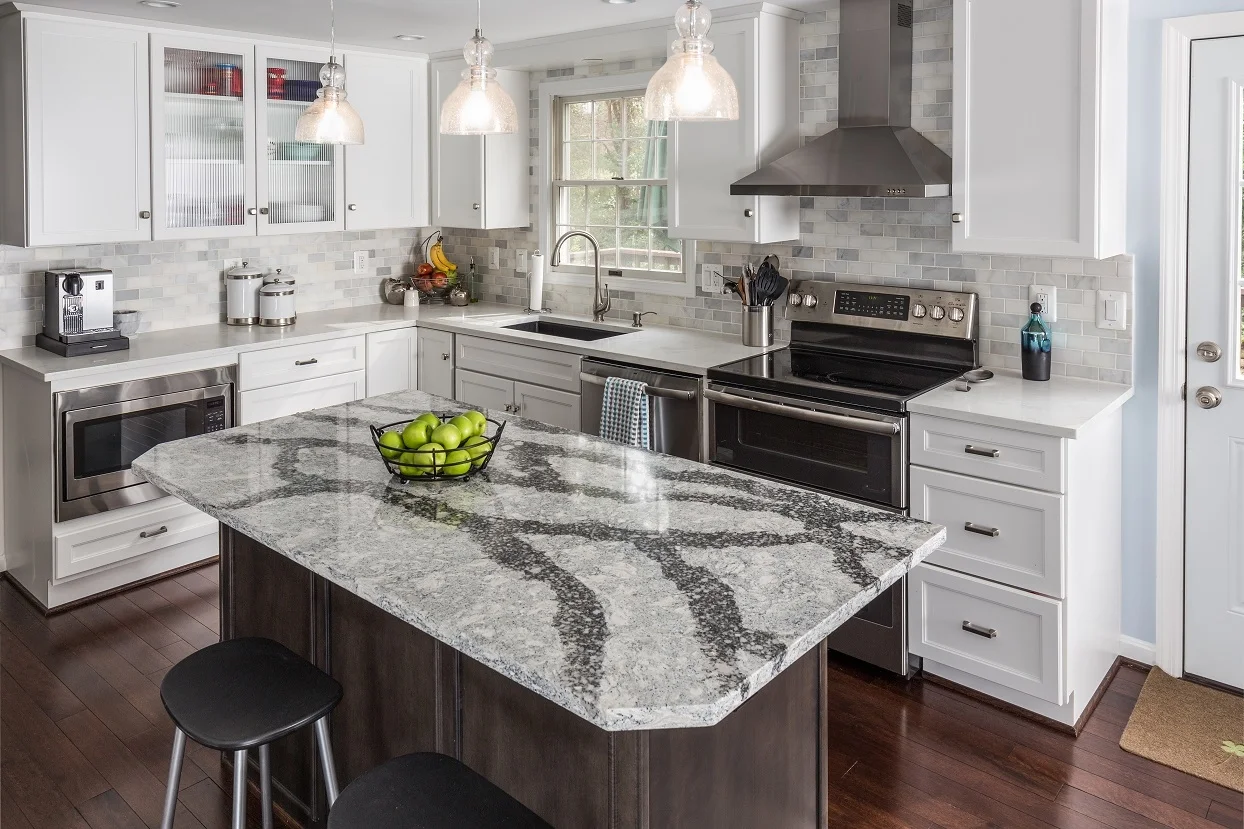
The most practical luxury countertop materials balance beauty with durability. Quartz offers marble-like appearance with near-zero maintenance and excellent stain resistance. Quartzite provides natural stone beauty with better stain resistance than marble. Granite remains durable and relatively low-maintenance with proper sealing.
Beyond material, edge profiles impact both aesthetics and function. Square edges look modern but show chips more easily. Rounded or beveled edges hide minor damage better. Extremely ornate edges collect dirt and look dated quickly.
Overhang dimensions matter for seating areas. Standard overhangs of 12 inches accommodate barstools but knees might hit cabinets. Overhangs of 15 inches or more require support brackets but provide much more comfortable seating. If you plan to eat at your island regularly, the extra overhang is worth the additional structure required.
One Alexandria kitchen owner insisted on Carrara marble despite June’s warnings. Two years later, the beautiful white marble was covered in stains and etches. They ended up replacing it with quartz at significant expense. Had they chosen appropriately from the start, they’d have saved $8,000 and had beautiful counters for years.
Match material to lifestyle. If you cook frequently with acidic ingredients, skip marble. If you have young children who spill constantly, choose stain-resistant materials. If you rarely cook, you have more freedom in material selection.
Mistake #4: Inadequate Lighting Planning
Most kitchen lighting plans include one row of recessed cans and call it done. That’s woefully inadequate for modern kitchen function.
Kitchens require layered lighting with ambient, task, and accent sources. Ambient lighting provides overall illumination. Task lighting focuses on specific work areas. Accent lighting highlights architectural features or creates ambiance.
Common lighting failures include insufficient task lighting over prep areas causing shadow and eye strain, no under-cabinet lighting making countertop work difficult, poor lighting over sinks, and reliance solely on overhead sources creating flat, institutional feeling.
Comprehensive kitchen lighting includes recessed ambient lighting on dimmers, under-cabinet LED strips illuminating work surfaces, pendant lights over islands providing both task and decorative lighting, dedicated lighting over sinks, and sometimes accent lighting in glass-front cabinets or above cabinetry.
All lighting circuits should have dimmer switches. Bright task lighting for cooking, softer ambient lighting for entertaining or evening cleanup. The ability to adjust transforms kitchen atmosphere dramatically.
Natural light deserves consideration too. Windows positioned to provide morning light into breakfast areas or task lighting at sinks make kitchens more pleasant. However, avoid windows behind sinks if they create glare or windows positioned where afternoon sun overheats the space.
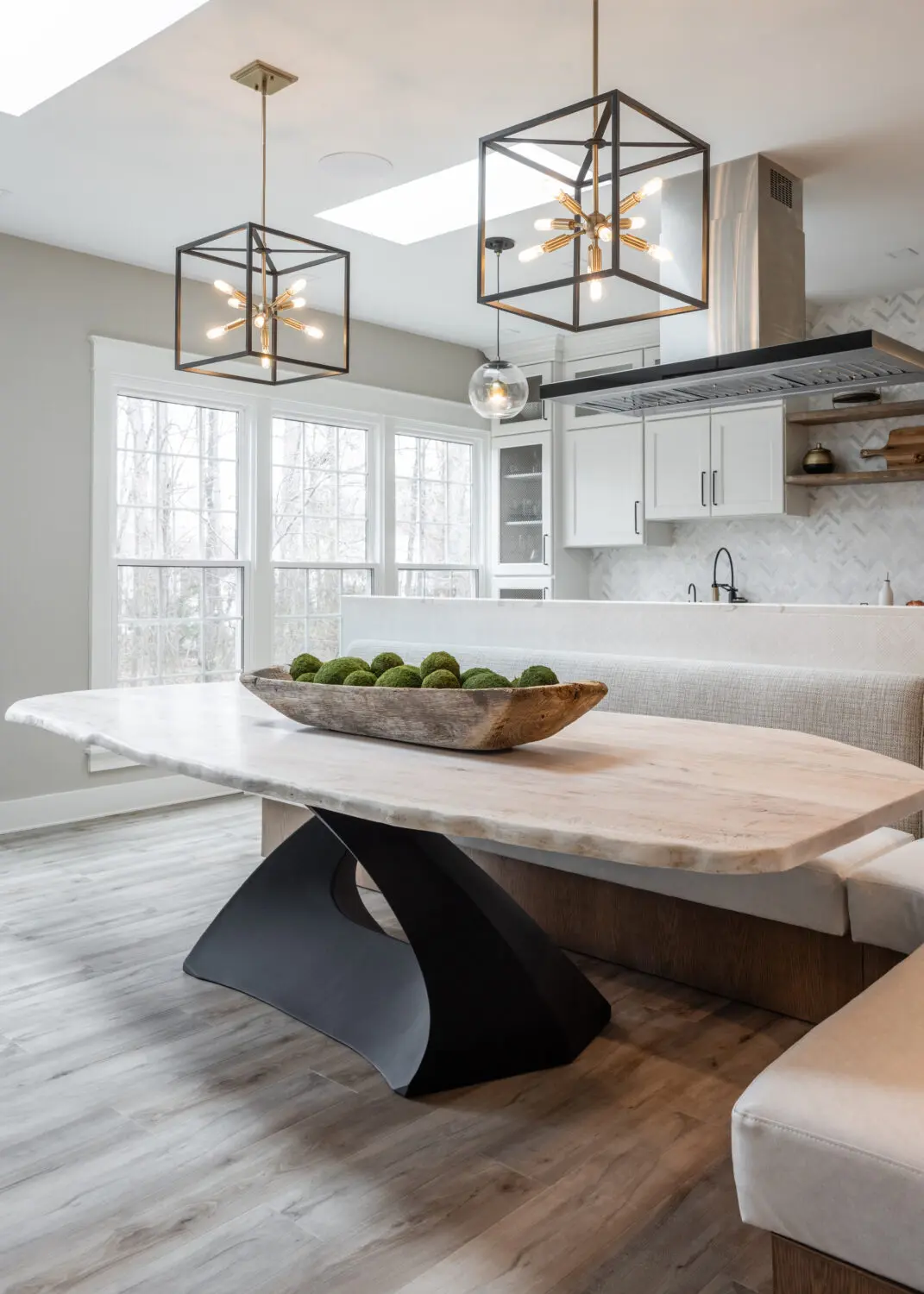
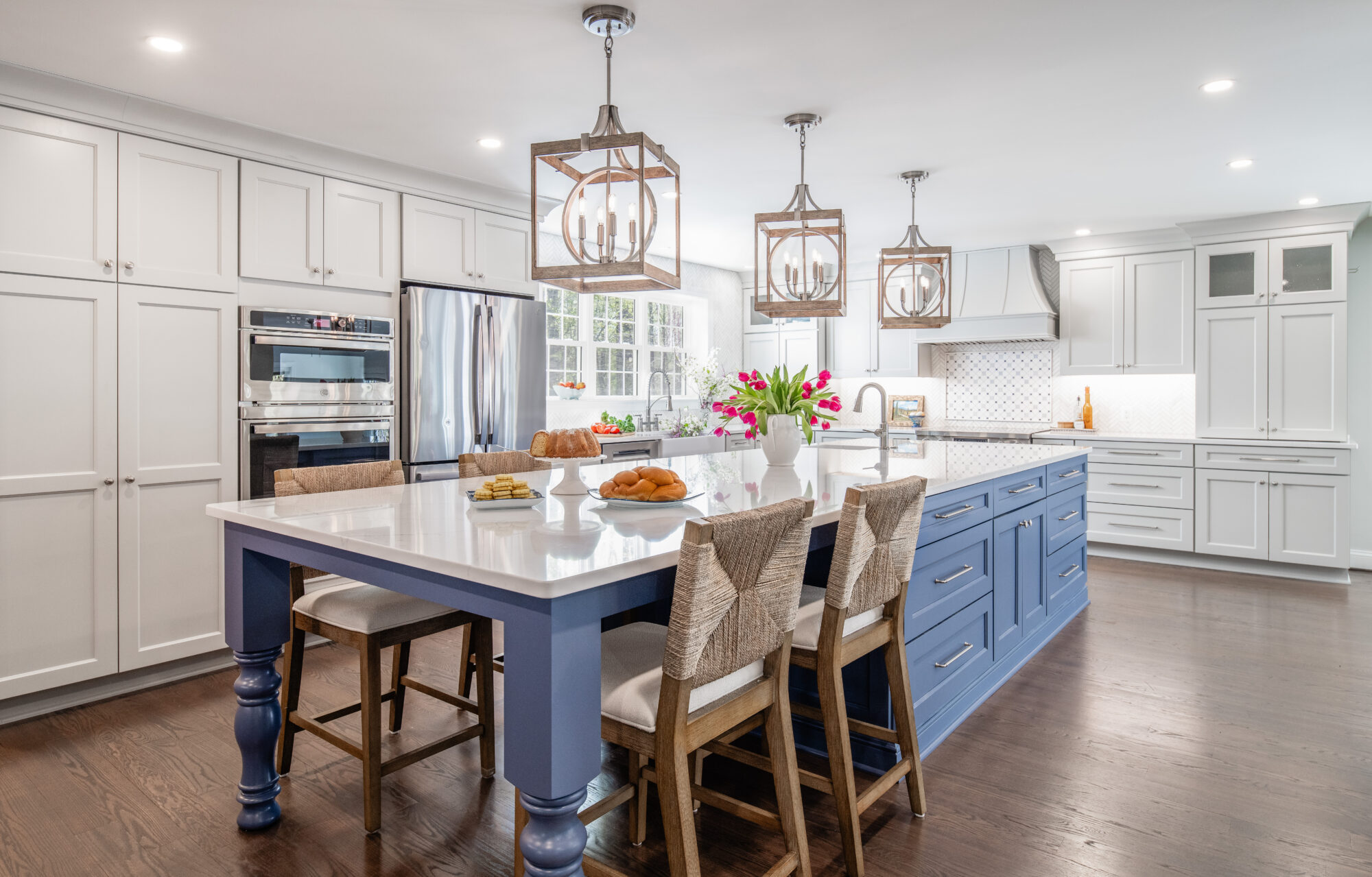
In the Open Concept Kitchen project, lighting design included recessed ambient on multiple circuits allowing independent control, LED strips under all upper cabinets, three statement pendants over the island, and decorative sconces flanking a cookbook shelf. The layered approach created functional task lighting plus beautiful ambiance.
Budget $3,000 to $8,000 for comprehensive lighting in typical kitchen renovations. This seems expensive until you realize you’ll use these lights 2 to 3 hours daily for 20+ years. Quality lighting pays for itself in functionality and atmosphere.
Mistake #5: Island Sizing Gone Wrong
Kitchen islands can be too small, too large, or just poorly proportioned. All three problems appear frequently.
Too-small islands waste the opportunity. An island measuring 4 feet by 2 feet provides minimal prep space and no seating. If you’re investing in an island, make it substantial enough to justify the footprint and expense.
Too-large islands are actually more common. Homeowners think bigger is better, creating massive islands that disrupt traffic flow and actually reduce kitchen efficiency. The kitchen becomes a racetrack circling an oversized central obstacle.
Proper island sizing considers the kitchen’s total dimensions. Allow minimum 42 inches of clearance around all sides for single-cook households, 48 inches for households with multiple cooks. This provides adequate circulation and workspace access.
Island proportions matter visually too. Very long, narrow islands look awkward. Very short, wide islands feel squat. Generally, islands with length-to-width ratios between 2:1 and 3:1 appear most balanced.
Seating capacity requires planning. Each seated person needs 24 inches of counter width minimum, 30 inches is more comfortable. Bar-height seating (42 inches) requires taller stools and greater overhang than counter-height seating (36 inches).
Functionality within islands impacts placement. If your island includes a sink, cooktop, or dishwasher, these elements need appropriate clearances to function properly. A cooktop in an island requires adequate landing space on both sides. A sink needs proper plumbing venting, which creates location constraints.
One McLean kitchen initially designed with a 10-foot-long island in a relatively narrow kitchen. The result would have required constant maneuvering around the island to access appliances and storage. June reduced the island to 7 feet, improving traffic flow while maintaining adequate prep space and seating.
Mistake #6: Appliance Selection Based on Aesthetics Alone
Appliances that look professional often don’t match actual cooking habits, resulting in expensive equipment that goes unused.
Many homeowners select appliances based on perceived status or appearance rather than function. A 48-inch professional-style range looks impressive but costs $10,000 to $20,000 and requires substantial power and ventilation. If you rarely cook, this investment doesn’t make sense.
Similarly, commercial-style refrigerators with glass doors or fancy finishes cost significantly more than standard models. If the primary feature you need is keeping food cold, the extra expense doesn’t add value.
Dishwasher selection should prioritize quiet operation and rack configuration over finishes. The quietest dishwashers operate at 40 decibels or below, barely audible. Rack flexibility allows accommodation of various dish sizes and shapes.
Microwave placement creates controversy. Over-the-range microwaves save counter space but require reaching over hot burners. Built-in microwaves look cleaner but cost more and reduce storage. Drawer-style microwaves solve ergonomic issues but command premium prices. Choose based on how you actually use microwaves, not what looks trendy.
Appliance finish coordination matters. Mixing stainless steel, black stainless, and white appliances looks haphazard. Choose one finish and stick with it. Stainless remains most popular for resale value.
Ventilation requirements for cooking equipment are often underestimated. Professional-style ranges require substantial ventilation, potentially 600 to 1200 CFM exhaust hoods. This requires ductwork sizing and makeup air that many homes lack. The cooktop choice drives ventilation requirements, which can add thousands to costs.
Understanding current trends helps separate temporary fashion from lasting functionality.
Mistake #7: Skimping on Ventilation
Inadequate ventilation creates problems that worsen for years: odors that never dissipate, grease buildup on cabinets, excess moisture causing damage.
Range hood selection requires matching CFM (cubic feet per minute) capacity to your cooking habits and equipment. Gas cooktops produce more heat and combustion byproducts than electric, requiring stronger ventilation. A basic rule suggests 100 CFM per linear foot of cooking surface for gas, 150 CFM per 10,000 BTUs for high-BTU burners.
Hood style impacts both aesthetics and function. Wall-mount canopy hoods provide strong ventilation and make dramatic statements. Under-cabinet hoods save space but typically offer less power. Island hoods suspended from ceilings require more CFM because they lack walls to contain smoke and steam.
Ductwork matters as much as the hood itself. Ducts should be as short and straight as possible, with minimal bends. Each 90-degree turn reduces efficiency. Undersized ducts create noise and reduce effectiveness regardless of hood power.
Many renovations place cooktops or ranges on islands without adequate ventilation planning. Island hoods work but require ceiling heights allowing proper installation and ductwork running to exterior walls. Downdraft systems built into cooktops are less effective than overhead hoods but better than nothing.
One Arlington kitchen initially planned a decorative range hood that provided only 300 CFM over a six-burner gas range. This would have been completely inadequate. June specified a 600 CFM hood with proper ductwork, ensuring odors and grease actually exhausted rather than recirculating through the house.
Mistake #8: Inadequate Electrical Planning
Modern kitchens require far more electrical capacity than most homeowners anticipate during planning.
Small appliances multiply over the years. Coffee makers, toasters, mixers, blenders, food processors, electric kettles, and specialty devices all need power. Countertops require outlets every 4 feet per code, but kitchens function better with even more.
Dedicated circuits prevent breaker trips from multiple high-draw appliances running simultaneously. Refrigerators need dedicated circuits. Dishwashers need dedicated circuits. Disposals need dedicated circuits. Microwaves need dedicated circuits.
Island outlets present challenges. Code requires islands longer than 24 inches to have at least one outlet. Positioning these outlets in countertop surfaces or on island ends impacts aesthetics. Pop-up outlets installed in countertops provide power when needed and hide when not, though they cost more and create potential failure points.
USB charging ports built into outlets accommodate phones and tablets without requiring adapters. These cost minimally more than standard outlets but add functionality families actually use.
Under-cabinet outlets on the backsplash area provide convenient appliance power while keeping counters clear of cords. Some systems integrate outlets into cabinet bottoms, completely hiding them.
Future-proofing electrical systems costs little during renovation but saves enormously later. Running extra circuits during construction while walls are open costs hundreds. Adding them later costs thousands. Plan for more power than you currently need.
Mistake #9: Backsplash as Afterthought
Backsplashes impact both aesthetics and function yet often receive minimal attention during planning.
Many renovations install basic subway tile backsplashes without considering alternatives. Subway tile works fine but has become ubiquitous to the point of boring. Countless other options exist.
Backsplash height creates debate. Standard 4-inch backsplashes look dated and don’t protect walls adequately. Full-height backsplashes extending to upper cabinets or ceilings look more contemporary and provide complete protection. Some designs use full-height tile to the ceiling in the cooking zone and 18 inches elsewhere as a compromise.
Material selection impacts maintenance. Glass tile cleans easily but shows water spots. Natural stone like marble requires sealing. Ceramic or porcelain tile offers the most practical balance of beauty and maintenance.
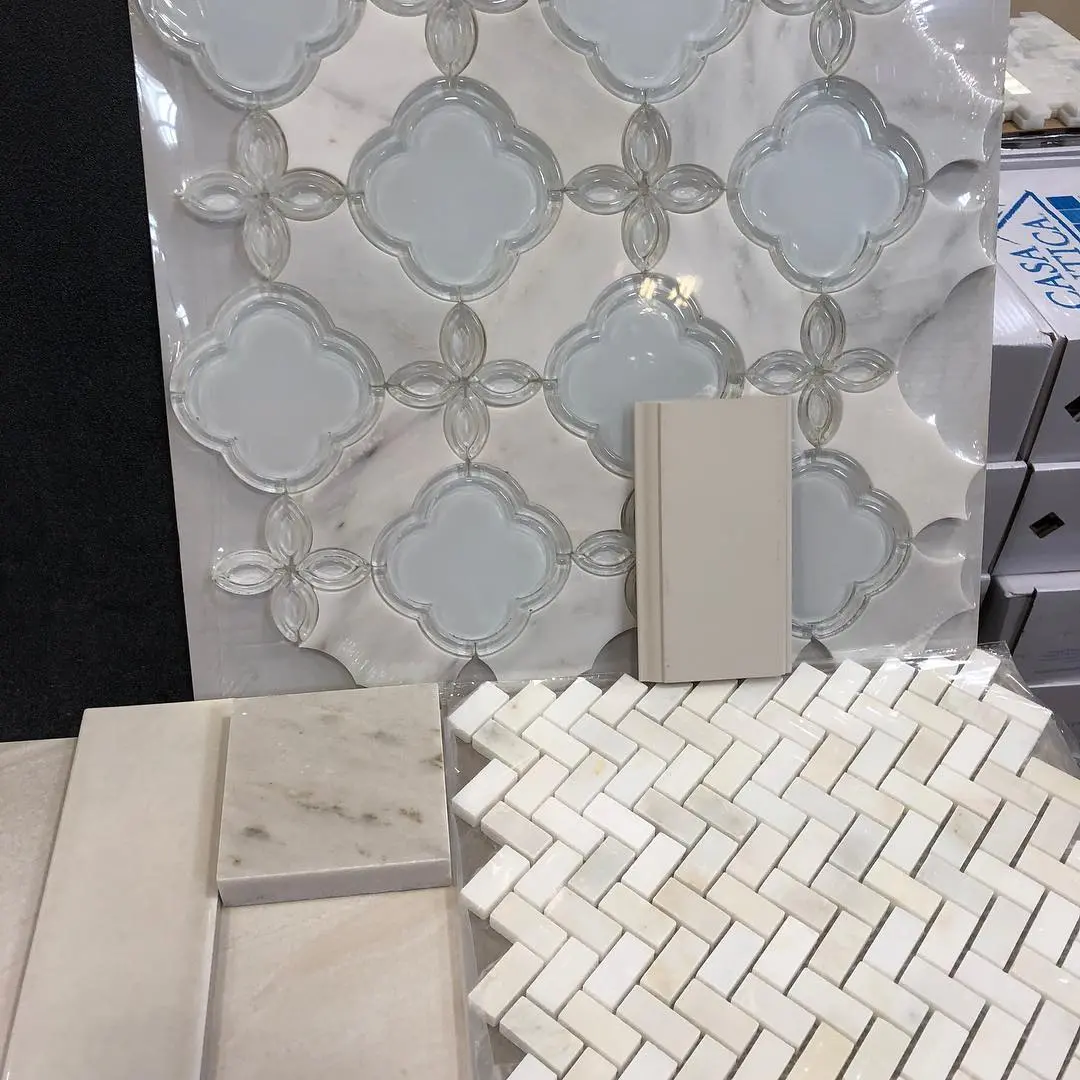
Pattern and color decisions influence the kitchen’s overall aesthetic. Bold patterned tile creates focal points but can feel dated quickly. Neutral tile with interesting texture provides visual interest with staying power. Glass or metallic accents add shimmer without overwhelming.
Grout color matters practically and aesthetically. White grout shows every stain. Very dark grout shows soap residue. Medium grays hide typical kitchen grime best.
The Turquoise Kitchen used turquoise glass tile backsplash as the entire design’s anchor, creating personality without feeling overwhelming because other elements remained neutral. The backsplash became the kitchen’s signature element, proving that thoughtful material selection creates impact.
Mistake #10: Open Shelving Everywhere
Open shelving looks beautiful in magazines and showrooms but reveals its limitations quickly in real life.
The problem isn’t open shelving itself but using it extensively in kitchens that see heavy use. Open shelves require constant curation. Everything stored on them is visible, meaning everything must look good. Dishes must match. Glassware must coordinate. No mismatched storage containers. No half-empty boxes of cereal.
Additionally, open shelves accumulate dust and grease from cooking. Items stored on them require more frequent washing than items behind closed doors. In kitchens used for actual cooking, this maintenance becomes tedious.
Strategic open shelving works beautifully. A single open shelf displaying beautiful cookbooks or pottery adds visual interest. Too many open shelves create maintenance burden and require constant tidying.
Most families function better with mostly closed storage plus selective open display. This provides space for everyday items you don’t want on display while allowing showcasing of beautiful pieces.
If you love the open shelving aesthetic, consider glass-front cabinets. These provide the visual openness of shelves with the practical dust protection of cabinets. You must still curate contents, but maintenance drops dramatically.
One Fairfax kitchen initially planned extensive open shelving. After honest discussion about the family’s cooking frequency and maintenance tolerance, June designed mostly closed cabinetry with one beautiful open shelf section displaying the owner’s pottery collection. This balanced aesthetic desires with practical reality.
Mistake #11: Forgetting About the Garbage
Waste management sounds unglamorous but impacts kitchen function daily. Many renovations give it insufficient thought.
Where does trash live? Is there space for recycling? What about composting? These questions need answers during design, not after installation when you discover there’s no convenient place for any of it.
Dedicated pullout trash and recycling cabinets keep waste hidden while making it easily accessible. Size these appropriately for your household. Families generating significant trash weekly need larger receptacles than couples who eat out frequently.
Trash placement matters. Locate it near prep areas where most waste generates. Position it so opening the cabinet doesn’t block traffic. Ensure adequate ventilation if trash sits between dishwasher runs or in warm weather.
Some families prefer trash drawers at the island for convenient vegetable prep waste disposal. Others want it hidden away in perimeter cabinets. Both work if planned properly.
Composting has become increasingly common, requiring additional containers or space. Some municipalities provide composting bins. Others require homeowners to manage their own. Either way, you need a place for organic waste.
The New Kitchen Design included a three-bin pullout system in a 24-inch base cabinet: trash, recycling, and compost. The bins sized appropriately for the household’s needs, and placement near the sink and prep area made disposal natural during cooking.
Mistake #12: Not Planning for How You Actually Live
The most expensive mistake is designing for imagined lifestyle rather than reality.
You don’t bake even though you think you “should,” so planning extensive baking zones wastes resources. You rarely have more than four people for dinner, so that massive dining island never gets used. You order takeout three nights weekly, so the professional range sits mostly idle.
Honest assessment of actual habits prevents expensive mistakes. If you’re not a serious cook, a beautiful but basic kitchen serves you better than one designed for culinary production. If you never bake, skip the double oven. If you always drink coffee out, the fancy espresso machine is just expensive clutter.
Conversely, if you do cook seriously every day, invest in proper equipment and layout that supports your habits. If you bake weekly, ensure adequate counter space and proper storage for baking supplies. If you entertain regularly, design for both food preparation and guest interaction.
Children’s habits impact design too. Families with young kids benefit from easily cleanable surfaces and kid-accessible storage for dishes, snacks, and water. Households with teenagers need refrigerator access that doesn’t require walking through work zones.
One couple insisted on a massive kitchen with two sinks, two dishwashers, and professional equipment throughout. Six months after completion, June visited. They’d used one sink, one dishwasher, and basic cooking features. The expensive professional equipment sat unused. They’d designed for their imagined chef lifestyle, not their actual habits of simple meals and frequent dining out.
The Professional Advantage: Why June’s Expertise Prevents These Mistakes
Every mistake described is preventable with proper planning and professional guidance. June Shea’s 30+ years designing kitchens means she’s seen every possible error and learned exactly how to avoid them.
Professional designers prevent expensive mistakes by asking hard questions about actual lifestyle, planning function before aesthetics, understanding material properties and maintenance, knowing code requirements and construction realities, and coordinating all trades and timing.
The cost of professional design typically represents 10% to 15% of total kitchen renovation budgets. For a $60,000 kitchen, that’s $6,000 to $9,000. That investment prevents mistakes that could cost $10,000 to $30,000 to fix later.
Beyond preventing mistakes, professional designers often save money through trade relationships, better material sourcing, and efficient space planning that reduces construction costs. Many clients find the designer’s fee pays for itself through these efficiencies alone.
Understanding property value implications of kitchen decisions helps make choices that benefit both current use and future resale.
Your Move: Planning Your Kitchen Renovation Right
February represents ideal timing for kitchen planning. Tax refunds provide budgets. Spring construction season approaches. You have time for thoughtful planning before starting.
Whether you live in Fairfax, Arlington, Alexandria, McLean, or Great Falls,Shea Studio Interiors can help you avoid expensive mistakes while creating kitchens that work beautifully for decades.
June Shea’s award-winning kitchen expertise means she knows not just how to make kitchens beautiful but how to make them function for real families in real life.
The question isn’t whether professional design prevents expensive mistakes. After seeing these 12 common errors, you know it does. The question is: are you willing to risk tens of thousands of dollars and years of daily frustration by attempting complex renovation without expert guidance?