The Holiday Hosting Problem Nobody Talks About
Here’s what happens every December in Northern Virginia homes: You invite twenty relatives for dinner. Within fifteen minutes, everyone’s clustered in your kitchen while your beautiful living room sits empty. Guests awkwardly shuffle past each other grabbing drinks. Someone spills wine trying to squeeze between the island and the fridge. Your cousin asks where to put her coat, and you realize—again—that you have no answer.
The problem isn’t that your home is too small. Most Northern Virginia homes have plenty of square footage. The problem is that they weren’t designed for how you actually entertain.
After three decades transforming homes throughout Fairfax County, I’ve identified the exact design mistakes that make holiday hosting miserable—and the surprisingly simple fixes that change everything.
1. Your Kitchen Has Zero Work Zones (And Everyone Knows It)
Walk into most Northern Virginia kitchens during Thanksgiving, and you’ll find chaos. One person’s trying to prep appetizers. Another’s looking for wine glasses. Someone else needs ice. Everyone’s in everyone’s way.
Why this happens: Kitchens built in the 1980s and 1990s were designed for one cook. Period. The “kitchen triangle” concept (sink-stove-fridge) works beautifully when you’re alone. Add two more people and it becomes a traffic jam.
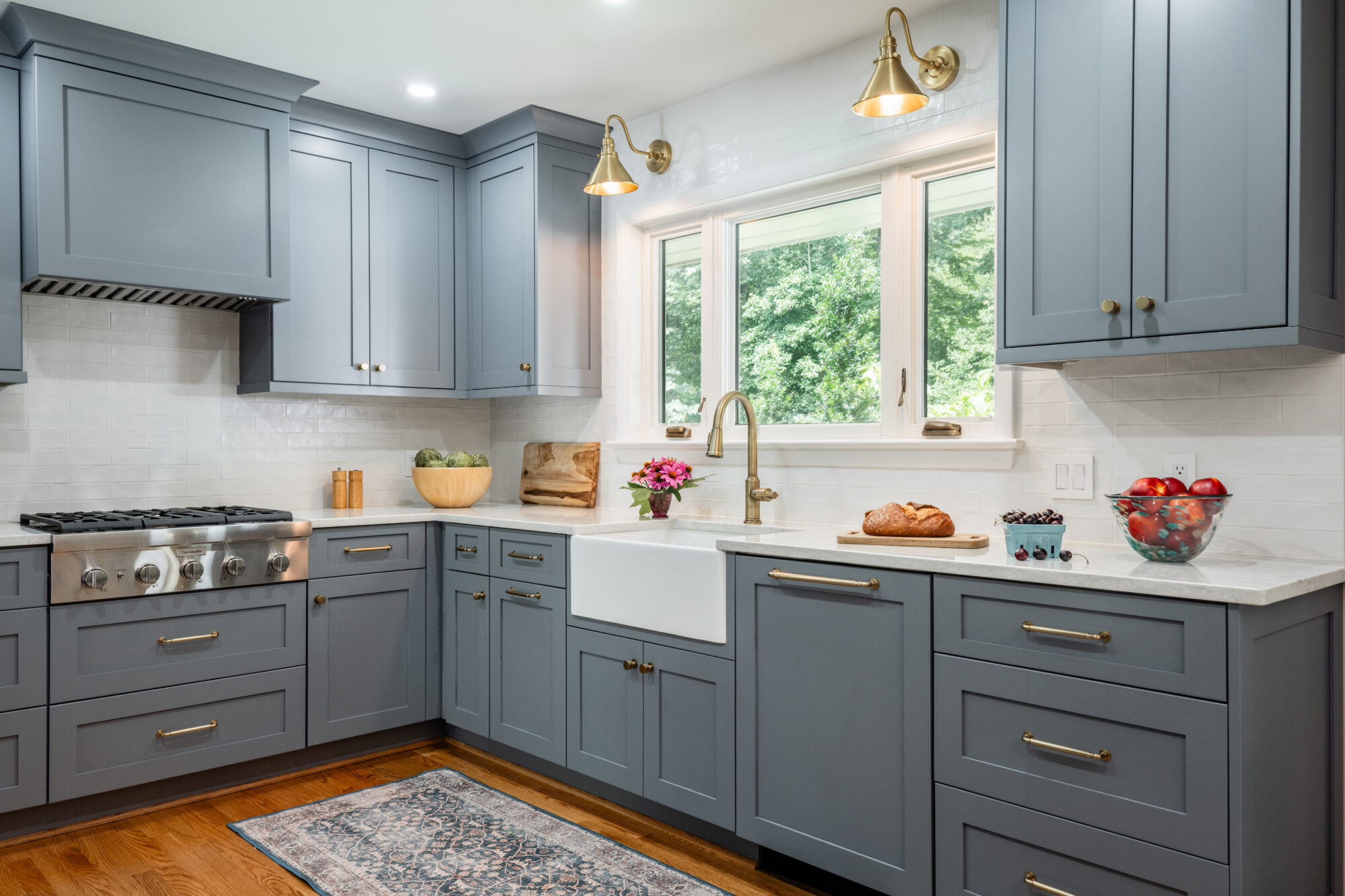
Look at this Fairfax Station kitchen transformation we completed last year. The original layout forced everyone through a single 30-inch pathway. We didn’t expand the room—we relocated the refrigerator and added a prep sink on the island. Now three people can work comfortably without crossing paths.
The same principles we applied in our luxury kitchen designs throughout Northern Virginia work whether you’re doing a full renovation or strategic updates.
The fix you can implement this week: Create a beverage station away from your main prep area. A small console table in your dining room with glasses, an ice bucket, and a wine opener means guests help themselves without entering your work zone.
2. Your Rooms Don’t Actually Connect (Even When They’re “Open Concept”)
Here’s something surprising: I see this problem in both traditional closed-plan homes and modern open-concept layouts. Rooms can be visually connected but functionally disconnected.
What I mean by this: You’re prepping appetizers in the kitchen. Your guests are in the family room. There’s no wall between the spaces, but somehow you still feel completely separated. You can’t maintain conversations. You’re shouting questions nobody hears.
The problem is sight lines and orientation. If your kitchen workspace faces a wall while your seating area faces a TV, you’re functionally in different rooms even without walls.
In our Clifton home design, we created connection through strategic placement—not demolition. The kitchen island faces the seating area. The cooktop is positioned so the chef faces guests, not a wall. These small orientation changes transformed how the family hosts.
This same approach works in Alexandria homes where we’re often working with established footprints that can’t be dramatically altered.
“The host can prep appetizers while staying engaged with guests—that’s the difference between struggling and enjoying your own party.” — June Shea
The fix: If you can’t renovate, at least rearrange. Position your temporary prep areas (cutting boards, serving platters) where you can see and talk to guests. Even small adjustments help.
3. Nobody Can Talk in Your Living Room (Because the Furniture Hates Conversation)
You’ve got a beautiful living room. Expensive sofa. Gorgeous chairs. But during parties? Everyone still crowds into the kitchen.
Why your living room fails: Furniture arranged against walls, all facing a TV, or in one long line doesn’t encourage conversation. It creates a waiting room, not a gathering space.
I learned this lesson early in my career. A living room might seat twelve people, but if they can’t see each other’s faces without turning 90 degrees, they won’t talk.
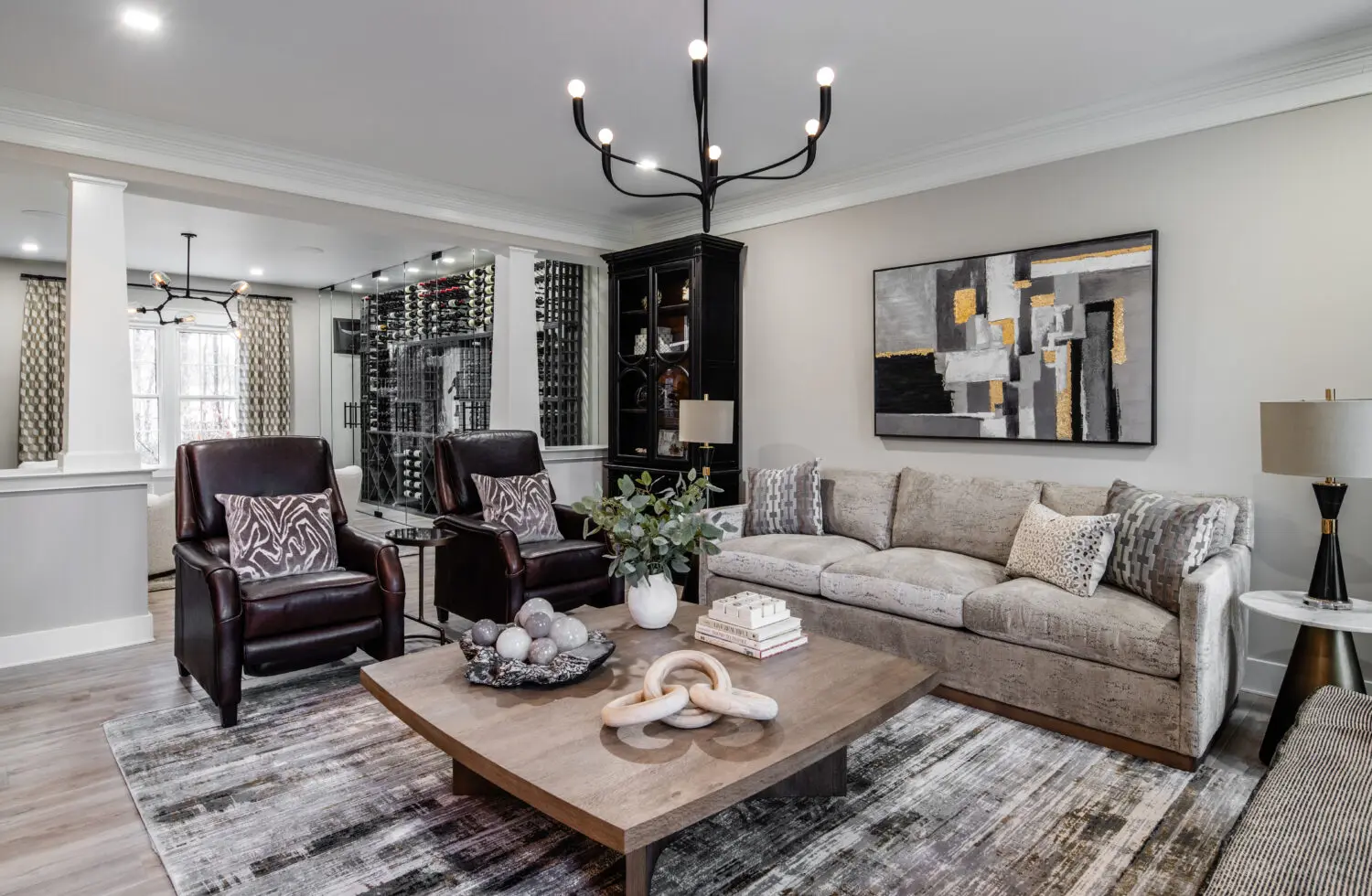
Study the seating arrangement in this Colorful Contemporary project. Notice how the chairs and sofas form a gentle curve? That’s intentional. People naturally make eye contact. Conversations flow without effort.
We use these same principles when designing living rooms that feel as good as they look—spaces that aren’t just pretty, but actually functional for real gatherings.
The quick fix: Rearrange your seating into clusters of 4-6 chairs maximum. Pull furniture away from walls. Create an intimate grouping where people can actually see each other. You’ll be shocked how much this changes the room’s energy.
4. Your Lighting Makes Everyone Look (And Feel) Terrible
Ever notice how some homes feel warm and inviting while others—even with beautiful furniture—feel harsh? Lighting is usually the culprit.
The problem most Northern Virginia homes have: Overhead fluorescents in the kitchen. One central chandelier in the dining room. Maybe a floor lamp in the corner of the living room. That’s it.
This creates what I call “cave and spotlight” lighting—everything’s either too dark or harshly lit. Neither feels welcoming.
In this Alexandria Bungalow renovation, we added dimmers to every major space. The clients can adjust lighting for morning coffee (bright and energizing) versus evening cocktails (warm and intimate). Same space, completely different mood.
The same layered lighting approach we use in our award-winning projects works in any home—you just need to understand the principles.
What actually works: Layer three types of lighting in every room:
- Ambient (overall illumination)
- Task (functional lighting for specific activities)
- Accent (highlighting beautiful elements)
And put everything—yes, everything—on dimmers.
5. Guests Have Nowhere to Put Anything
This seems minor until you’re hosting. Someone’s holding a wine glass, a plate of appetizers, and their phone. They’re scanning the room for a surface. There isn’t one. They awkwardly balance everything or put their drink on your coffee table book, creating a ring.
Why this matters: Every guest needs landing zones—surfaces for drinks, plates, phones. Without them, people feel uncomfortable and frustrated.
The solution isn’t complicated. Side tables. Console tables. Sturdy ottomans with trays. We incorporate these deliberately in every living room design, but you can add them yourself.
Look at our Transitional Traditional Home project—notice the strategic placement of surfaces throughout the main gathering spaces. That’s not decorative. It’s functional planning.
Do this before your next party: Add 3-4 small tables throughout your main gathering spaces. They don’t need to be expensive. They just need to exist.
6. Your Dining Room Chandelier Is Wrong (And Everyone Notices)
Most Northern Virginia homes have builder-grade dining room lighting—either too small, too high, or both. This creates awkward shadows and makes an otherwise beautiful space feel off.
The rule nobody tells you: Your chandelier should be about two-thirds the width of your dining table. It should hang 30-36 inches above the table surface. And it absolutely must be dimmable.
Too small looks cheap. Too large overwhelms. Wrong height? Either your tall guests hit their heads or the light is too far away to actually illuminate the table.
When we work on complete home renovations throughout Northern Virginia, dining room lighting is always a priority—it affects how the entire entertaining experience feels.
The best investment you can make: Replace that builder-grade fixture with a properly sized, dimmable chandelier. This single change transforms how your dining room photographs and how it feels during dinner parties.
7. You’re Fighting Natural Traffic Patterns Instead of Working With Them
Here’s what I tell every client: Your home has natural traffic patterns whether you acknowledge them or not. People instinctively walk certain paths. They gravitate toward certain spaces.
You can either work with these patterns or fight them. Fighting them means constant frustration.
How to identify your traffic patterns: Watch your family during a normal evening. Where do people naturally walk? Which routes get used most? Where do bottlenecks form?
Then—and this is crucial—arrange furniture to support (not block) those patterns. Main traffic paths need 36 inches minimum clearance.
In our Haymarket Haven project, the original furniture arrangement looked beautiful but blocked the natural path from front door to main living areas. Guests had to navigate around obstacles. We repositioned everything to align with traffic flow. Suddenly the space felt twice as large.
This is the kind of spatial planning we address in our comprehensive design process—understanding how spaces actually function, not just how they look.
What Happens When You Fix These Problems
I worked with a McLean family who’d stopped inviting anyone over. Their 1990s kitchen had one tiny prep area and terrible flow. Every gathering felt stressful.
We redesigned their kitchen layout with a 10-foot island, prep sink, and multiple work zones. Last December they hosted thirty people. The wife called me afterward: “It felt easy. That’s never happened before.”
That’s what good design does. It removes friction you didn’t even realize existed.
Your Next Move
Holiday gatherings should bring joy—not anxiety about whether your space can handle them.
If your home fights you every time you try to entertain, that’s a design problem with design solutions. Sometimes dramatic. Sometimes surprisingly simple.
The families who reach out now get their spaces transformed before next holiday season—not after another year of frustration. Whether you’re considering kitchen renovations, complete home transformations, or just strategic updates, we help Northern Virginia homeowners create spaces that actually work for entertaining.
Ready to love hosting again? Call Your Local Award-Winning Northern Virginia Interior Designer Today!
Schedule your consultation!