The Expensive Mistake Sellers Keep Making
A family in McLean spent $45,000 updating their home office with custom built-ins, elaborate lighting, and high-end finishes. Beautiful work. Gorgeous photos.
Their home sat on the market for four months.
Why? Because Northern Virginia luxury buyers don’t value home offices the same way they value updated kitchens and master bathrooms. That $45,000 investment? It added maybe $15,000 to their sale price—if that.
Meanwhile, their dated master bathroom—the one they didn’t renovate—became a negotiation point that cost them $30,000 off the asking price.
After three decades working with Northern Virginia homeowners preparing to sell, I’ve identified the exact updates that increase property values versus the ones that simply increase spending.
1. The Kitchen Reality: Not All Renovations Return Equal Value
Kitchen renovations generate 70-80% ROI—but only when done correctly.
Here’s what actually increases value in Northern Virginia’s $800K-$2M market:
- Quality appliances (not necessarily top-of-the-line, but reliably good brands)
- Stone or quartz countertops (not laminate, not ultra-exotic materials)
- Ample, well-organized storage
- Functional layouts that work for multiple cooking styles
- Good lighting with multiple sources
- Timeless design that won’t look dated in three years
What doesn’t increase value proportionally:
- Trendy colors that alienate half your buyers
- Exotic materials requiring special maintenance
- Ultra-modern or ultra-traditional designs that limit appeal
- Custom features so specific they only work for your cooking style
Look at our recent kitchen transformations in Arlington and Alexandria. These demonstrate the sweet spot: high-quality materials with broad appeal, functional layouts, timeless design.
The principles we apply in our award-winning kitchen designs maximize both functionality and resale value—they’re not mutually exclusive.
“A well-designed kitchen renovation typically costs $60K-$150K for a luxury home. Done right, you’ll recoup most of that investment—sometimes more if the old kitchen was particularly dated.”
2. The Open Floor Plan Premium (It’s Not Optional Anymore)
Here’s the uncomfortable truth for homes built before 2000: Buyers touring properties in McLean, Great Falls, and Arlington expect visual connection between kitchen, dining, and living spaces.
Separate, disconnected rooms? That’s a negotiation point.
But here’s what sellers misunderstand: “Open concept” doesn’t always mean demolishing walls. Sometimes it means:
- Widening doorways to create sight lines
- Adding pass-throughs between rooms
- Creating visual connection through strategic openings
- Maintaining some definition while improving flow
We recently worked with a Lorton family preparing to sell. Their layout felt compartmentalized—not uncommon for their home’s era. Rather than full gut renovation, we opened two key walls and updated the kitchen.
The result: Their home sold for $175,000 more than comparable properties with closed layouts. Total investment? About $90,000. That’s 190% ROI.
These same open-concept principles we’ve explored in our Alexandria transformations apply across price points—it’s about flow and connection, not just removing walls.
3. Master Bathrooms: The Non-Negotiable Luxury Buyers Won’t Overlook
Master bathroom renovations generate 60-70% ROI—but the impact goes beyond numbers.
A dated master bathroom signals to luxury buyers that the entire home hasn’t been maintained. Fair or not, that’s the reality. They start wondering what else has been neglected.
Features that consistently add value:
- Separate vanities (double sinks minimum)
- Walk-in showers with quality tile and fixtures
- Good lighting (not just one overhead fixture)
- Ample storage
- Quality finishes that feel cohesive
Features that might not justify their cost:
- Elaborate soaking tubs most buyers won’t use
- Ultra-modern designs that alienate traditional buyers
- Exotic materials requiring special maintenance
- Over-the-top “spa” features that appeal to a narrow segment
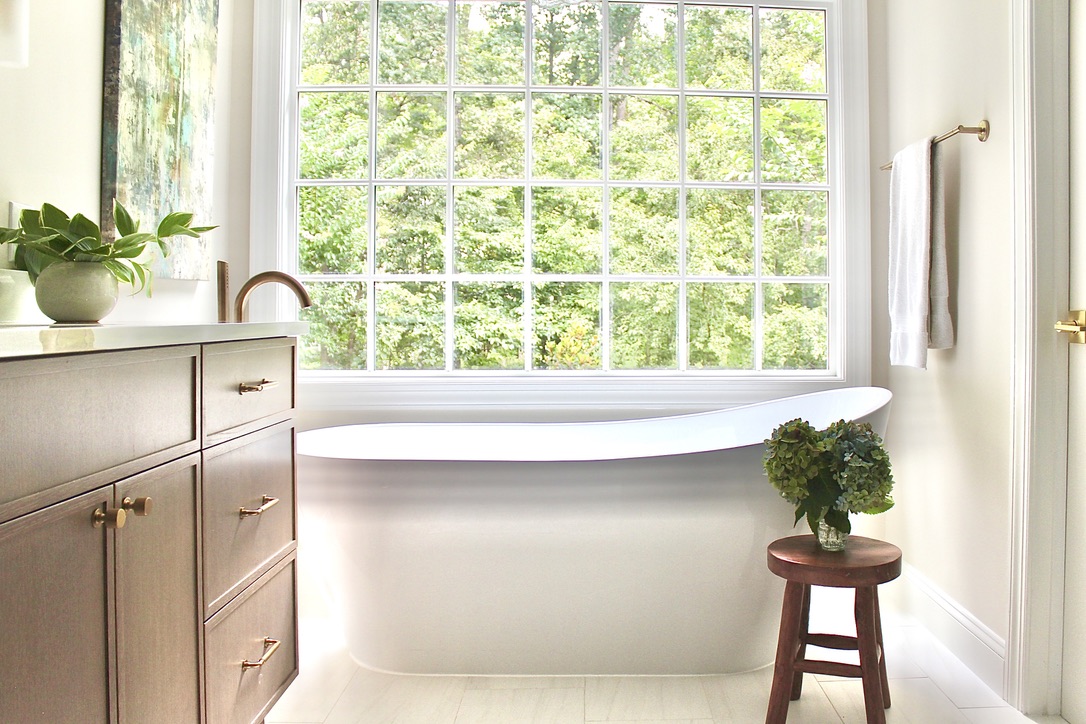
Our bathroom design portfolio shows this balance—particularly projects like this Spa Bath renovation. These aren’t just pretty bathrooms. They’re strategic investments that signal quality throughout the entire home.
The same principles apply in our Nature-Inspired Bath project—luxury that appeals broadly, not just to niche tastes.
4. The Updates That Waste Money (Save These Thousands)
Over-personalized design choices:
That bright purple accent wall? The custom mural? The ultra-modern kitchen that looks like a spaceship? These reflect your personal style—which means they probably won’t reflect your buyer’s style.
Buyers can’t see past strong personal choices. They’re mentally calculating repainting costs before making an offer.
Trendy materials that date quickly:
Remember Tuscan kitchens with tumbled stone and iron fixtures? Those homes are being renovated now because the style dated badly.
Today’s equivalent? Ultra-industrial looks with exposed everything, or overly farmhouse-styled spaces with too much shiplap.
When we work on transforming luxury homes throughout Northern Virginia, we always consider both current appeal and long-term value retention.
Additions that don’t match your neighborhood:
Adding a $200,000 luxury pool in a neighborhood where no homes have pools? You won’t recoup that investment.
Building a massive garage addition when every other home has standard two-car garages? Same problem.
Luxury buyers choose neighborhoods based on specific expectations. When your home diverges too far—even with expensive improvements—you’re limiting your buyer pool.
5. The Price Point Strategy (Different Tiers Need Different Approaches)
$800K-$1.2M: Focus on Kitchen and Master Bath
At this price point, buyers expect updated kitchens and bathrooms. If yours are dated, you’re competing with dozens of properties that have already updated.
Your strategy: Update your kitchen to current standards, renovate your master bathroom, ensure lighting and finishes throughout feel current.
You don’t need a showplace. You need a home that doesn’t give buyers negotiation ammunition.
$1.2M-$2M: Add Strategic “Wow” Moments
This price range requires something special beyond nice materials. A stunning kitchen with professional-grade appliances. A spa-worthy master bathroom. An impressive entertaining space that justifies premium pricing.
We designed a Clifton home where sellers wanted to maximize value. Rather than updating everything, we focused budget on creating memorable moments. The home sold for asking price within three weeks.
The same selective focus approach we used in our Old Town Waterfront project demonstrates how strategic investments outperform scattered improvements.
$2M+: Demonstrate Impeccable Taste Throughout
At the highest price points, buyers aren’t just purchasing a home—they’re purchasing a lifestyle. Every detail matters.
Cheap finishes anywhere will torpedo your sale because they signal that quality wasn’t consistently prioritized.
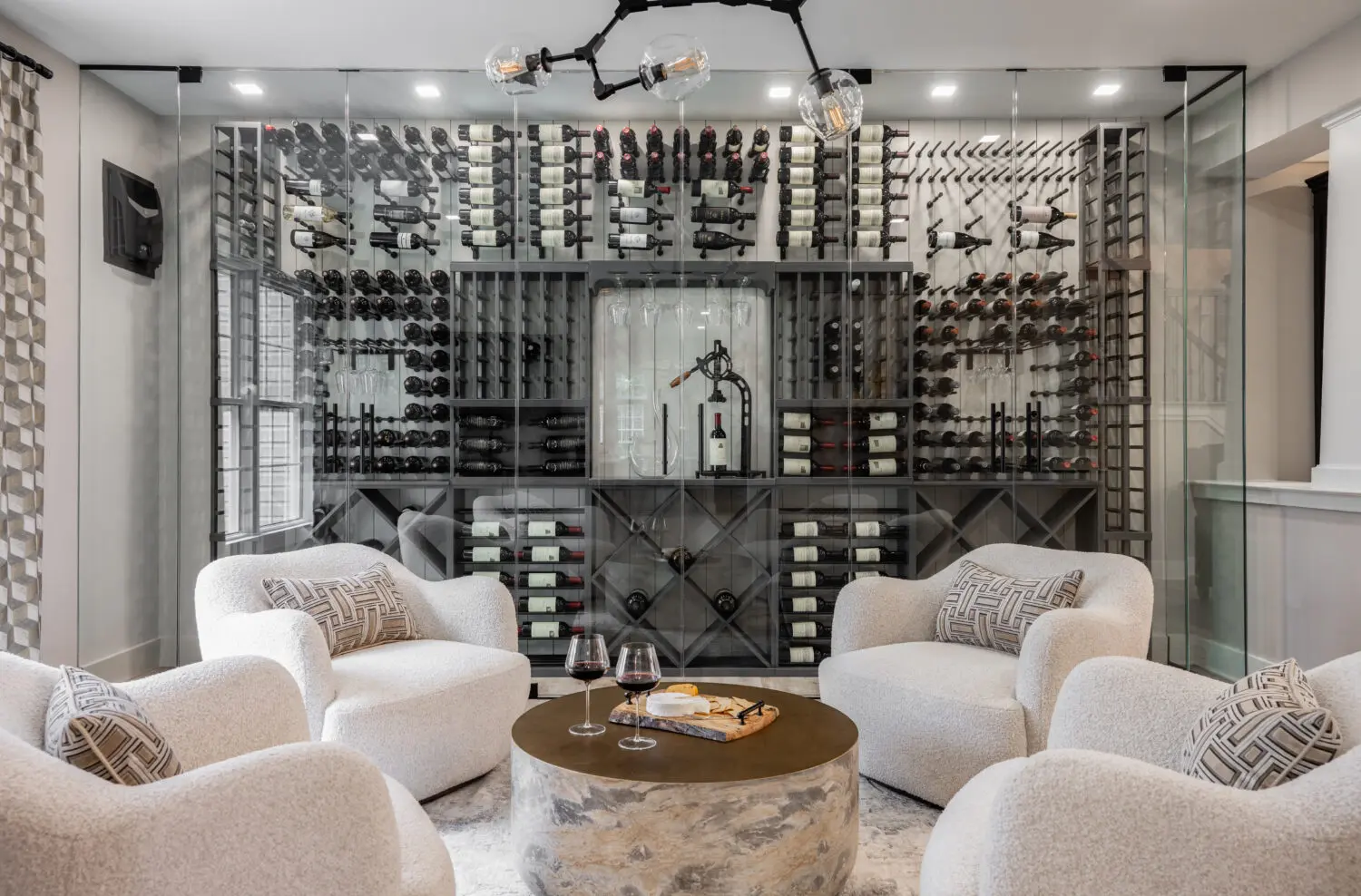
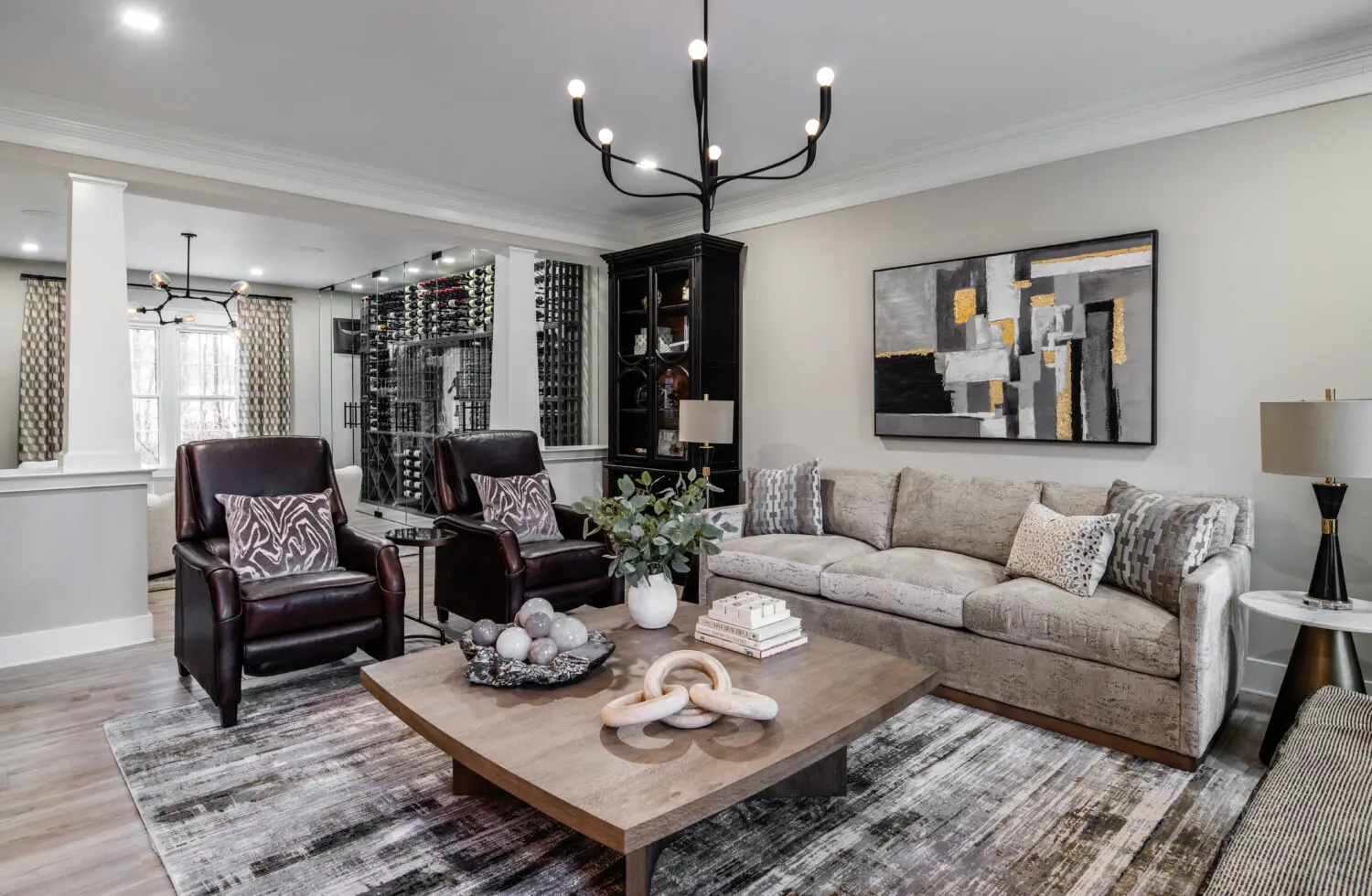
Our showcase of luxury projects demonstrates this approach: homes where every space feels intentionally designed and consistently high-quality.
6. What Northern Virginia Luxury Buyers Actually Want Right Now
Natural light matters more than square footage:
Buyers will choose a slightly smaller home with great natural light over a larger home that feels dark.
If your home feels dark, address it before listing. Sometimes this means new windows. Often it just means better window treatments, strategic paint colors, and improved artificial lighting.
Our work on this Crosspointe transformation shows how lighting upgrades can completely change a space’s appeal—both natural and artificial light strategies.
Storage sells homes:
Walk-in closets, pantries, mudrooms, garage organization—today’s buyers want dedicated storage. Homes with clever storage solutions photograph better and show better.
Outdoor connection matters:
Even without pools or outdoor kitchens, buyers want visual connection to outdoor spaces. French doors, large windows facing yards, or covered patios all add appeal.
Smart home features are expected (but not over-the-top):
Buyers under 45 expect smart thermostats, doorbell cameras, and app-controlled lighting. You don’t need a fully automated house. Basic smart features signal the home is current without requiring five-figure investments.
7. Professional Design Consultation: The Investment That Prevents Waste
This sounds self-serving, but it’s true: Homeowners preparing to sell often waste tens of thousands on updates that don’t increase value—or actively hurt sale prospects.
A professional designer who knows the Northern Virginia luxury market can tell you exactly which updates matter for your specific:
- Home style and age
- Price point
- Buyer demographic
- Neighborhood expectations
That guidance typically costs $2,000-$5,000 and saves $20,000-$50,000 in misdirected renovation spending.
Our process for pre-sale consultations:
- Honest Assessment – We identify what buyers will care about versus what they won’t notice
- ROI-Focused Recommendations – Every suggestion includes approximate cost and expected return
- Design That Appeals Broadly – Award-winning designs that reflect current tastes without being so trendy they alienate conservative buyers
- Timeline Management – Projects scheduled so everything’s complete and the home has time to “settle” before listing
This strategic approach is what we teach in our comprehensive guide to hiring interior designers for high-end projects.
The Timing Question Everyone Asks
If you’re listing in spring 2026:
Start design updates now. Kitchen and bathroom renovations take 2-4 months from planning to completion. Waiting until January means your home won’t be market-ready until late spring or summer—missing prime listing season.
If you’re listing in fall 2026:
Use the next few months to get honest professional assessment of which updates will maximize sale price. Execute projects in spring and summer so you’re ready for fall listing.
If you’re unsure about timing:
Meet with a designer and real estate agent simultaneously. The designer explains what needs updating and approximate costs. The agent tells you if those updates will increase your sale price enough to justify investment.
Sometimes the answer is yes. Sometimes it’s “price it lower and let the buyer update.”
The strategic approach we outline in our property value maximization guide helps homeowners make these decisions with clear data, not guesswork.
The Strategic Difference
The homes that command premium prices don’t give buyers reasons to negotiate.
Strategic design updates eliminate negotiation points while adding measurable value. Random updates—even expensive ones—often add nothing.
The question isn’t “should I update before selling?”
The question is “which updates will actually increase my sale price?”
That answer is different for every home. But it’s always knowable.
Whether you’re preparing a complete luxury transformation or making strategic updates to high-end residences, professional guidance ensures your investment actually increases value.
Ready for honest assessment? Call Your Local Award-Winning Northern Virginia Interior Designer Today!
Schedule your pre-sale strategy consultation!